



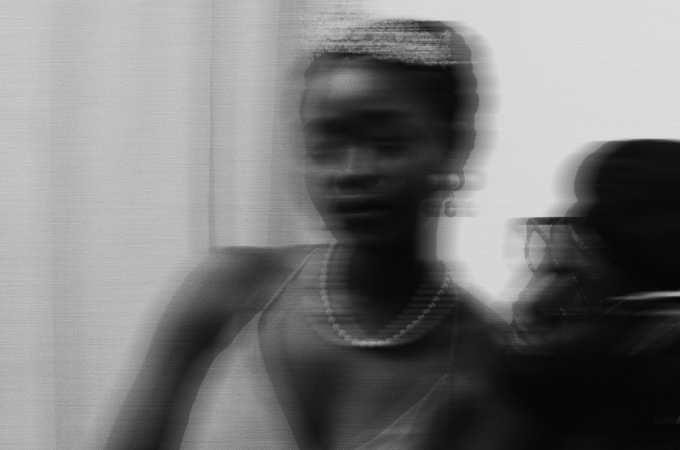
On August 31, 2026, a new work by Precious Nzeakor landed on Brittle Paper, pulling readers into a deeply unsettling and profoundly human narrative. Titled “Mirror Mirror, Who Is the Ugliest of Them All?”, her latest fiction delves into the chasm between external perception and internal torment.
Nzeakor, a medical doctor and cultural critic, doesn’t just tell a story; she dissects the very core of self-worth.
Precious Nzeakor and the Doctor’s Eye
The protagonist’s voice is immediate and raw, exposing the silent battles many wage against their own reflection. Her struggle isn’t simply about appearance, but about the very agency of her desires in a world that constantly shapes them. It’s a narrative that forces readers to confront uncomfortable truths about identity.
Precious Nzeakor’s journey is as compelling as her prose, a path carved through two seemingly disparate worlds. She balances the exacting demands of medicine with the fluid artistry of cultural criticism and creative writing. This dual existence offers her a unique vantage point on the human condition.
Her days as a medical doctor, a profession requiring keen observation and an understanding of human fragility, undoubtedly sharpen her literary insight. It allows her to explore the psychological undercurrents of her characters with a rare blend of scientific precision and empathetic depth. This fusion of discipline illuminates her storytelling.
Beyond the clinic, Nzeakor dedicates considerable time to “crafting reviews and analysis of works of art she has consumed.” This engagement reveals a deliberate shift from passive consumption to active interpretation and contribution. Her critical eye extends beyond literature, spanning the broader landscape of art, fashion, and culture.
From Scalpel to Storytelling
Writing for Nzeakor isn’t merely a pastime; it serves as a vital escape and a necessary outlet for expression. She once identified herself as a final-year medical student, for whom writing provided a crucial reprieve from the arduous medical profession. This deep connection between her demanding career and creative pursuit underlines her commitment to storytelling.
Her educational roots trace back to A.M.S.S. Asaba, an early foundation for her intellectual curiosity. Her works have found homes on platforms like Lagosreview, Afrocritik, and Kalahari review, in addition to Brittle Paper. These publications highlight her consistent engagement with Nigeria’s vibrant literary scene.
Nzeakor has also earned critical acclaim, notably winning the LABAF Ken Saro-Wiwa book review prize. This recognition underscores her talent not only as a creative writer but also as a discerning critic. Her multifaceted contributions enrich Nigeria’s cultural discourse significantly.
Unmasking the Inner Mirror in Fiction
In “Mirror Mirror,” Nzeakor confronts the insidious nature of internalized self-hatred, painting a vivid portrait of a woman consumed by her perceived flaws. The narrative opens with the protagonist reflecting on her relationship with Jamal, feeling “strange and burdening” under his touch. Her inner monologue is a torrent of disgust, a visceral reaction to intimacy.
She recounts a past marked by weight struggles and early-onset pre-diabetes, fueled by consuming “loaves of hot-rolled bread, deep-fried buns, and oiled pieces of steak.” Her mother’s attempts to introduce healthy eating lead to a chilling act: she grabs a “vegetable knife” to “shed the fat away” herself. This stark image of self-mutilation highlights the depth of her despair.
The protagonist reveals a profound inability to articulate her own desires, stating, “I do not know what I want, so I let others want for me, dream for me.” This surrender of selfhood is a central theme, illustrating how external opinions can erode an individual’s inner life. Her constant need for validation shapes every decision she makes.
A childhood memory haunts her: a “jolly boy” whose smile once promised acceptance, later joined others in calling her “ugly” and a “monkey.” This betrayal crystallizes her belief that “a smile was a vacant little lie told by cowardly people.” This formative experience fuels a decade of desperate transformations, from cosmetic surgeries to skin lightening.
Jamal’s Gaze, The Protagonist’s Truth
Jamal sees her as “sexy,” enthralled by her perceived beauty, yet her internal reality is a stark contrast. She has undergone “three minor and three major surgical procedures,” dyed her hair blonde, used “brightening creams and body milks impregnated with hydroquinone.” These extreme measures are all attempts to align her physical self with societal ideals.
Her alterations include a breast reduction and hip implants, alongside a course on “becoming feminine: the ins and outs of seductive prowess.” This quest for an “ideal lover” transforms into a desire for “the deadly charm of the mystical siren.” The changes are not for self-love, but to compel others to love her.
Many Nigerians grapple with similar anxieties about appearance, often seeking complex cultural narratives to understand societal pressures.
The story reaches a poignant climax in front of a mirror, where she seeks validation that never comes. “The problem with mirrors is that they are painfully truthful,” she observes, revealing new “faults” and “cracks.” This internal mirror is where she continues to inflict self-harm, cutting “underneath my new breasts” and “into the hollow of my back.”
Jamal, unaware of her inner turmoil, eventually reveals his long-held affection, dating back to a “tech retreat” ten years prior. He remembers her as an “incredibly smart girl who talked about robots with such providence.” His lingering wish, “I just wish you could see yourself the way I see you,” encapsulates the tragic disconnect at the heart of the narrative.
A Voice For Nigeria’s Unseen Battles
Precious Nzeakor’s work transcends a simple story of personal insecurity; it offers a penetrating critique of how societal standards warp individual identity. Her protagonist’s relentless pursuit of an externally validated self speaks to a broader cultural context where appearance often dictates worth. It’s a theme that resonates deeply within many communities.
The story subtly highlights the pressures faced by young Nigerian women, where ideals of beauty can be rigid and unforgiving. By portraying such extreme measures, Nzeakor invites readers to question the origins and impact of these expectations. It’s a powerful commentary on the silent struggles unfolding behind closed doors. This kind of exploration often finds parallels in universal themes of identity and self-worth.
Nzeakor’s ability to present such raw, introspective content positions her as a significant voice in contemporary Nigerian literature. Her work forces a confrontation with uncomfortable truths, moving beyond superficial critiques to explore the psychological toll of societal demands. This depth is what distinguishes her narratives.
The protagonist’s journey from a childhood taunt to surgical transformation reflects a cycle of seeking acceptance that remains perpetually unfulfilled. This cycle is not unique to fiction; it echoes in countless real lives across Nigeria and beyond. Her narrative probes why individuals surrender so much of themselves in the pursuit of external approval.
Beyond the Reflection: Nzeakor’s Place in Literature
Precious Nzeakor’s commitment to exploring the intricate psychological landscapes of her characters sets her apart. Her previous essay, “Glimpses of My Mother,” published in June 2025 on Brittle Paper, further showcased her ability to fuse personal narrative with broader commentary. This earlier piece identified her writing as an escape, a testament to its profound personal significance.
By dissecting themes of self-perception and external validation, Nzeakor’s fiction contributes to a growing body of work that challenges conventional narratives. She pushes readers to consider the hidden costs of conforming to societal pressures. This critical lens adds a crucial dimension to understanding the contemporary Nigerian experience.
Her emergence as an author who is also a medical professional brings a distinctive perspective to Nigerian literature. She melds empirical understanding with creative imagination, offering stories that are both emotionally resonant and intellectually stimulating. This unique blend enriches her contribution to the literary scene, much like enduring cultural institutions define a nation’s evolving character.
Nzeakor’s work encourages a vital introspection, prompting readers to examine their own relationships with self-image and societal expectations. It asks us to look beyond the surface, to the forces that shape our deepest insecurities. This makes her fiction more than entertainment; it’s a tool for understanding.
As Nigeria continues to evolve, understanding the contemporary anxieties that shape individual identity becomes crucial. The personal narratives Nzeakor crafts illuminate the struggles that define the modern Nigerian experience. Her stories contribute to a deeper national self-awareness, inviting readers to reflect on universal human challenges within a specific cultural context.
Precious Nzeakor’s “Mirror Mirror” stands as a powerful testament to the enduring human struggle for self-acceptance amidst relentless external pressures. What does it take for an individual to truly see themselves, independent of the world’s reflection?
