




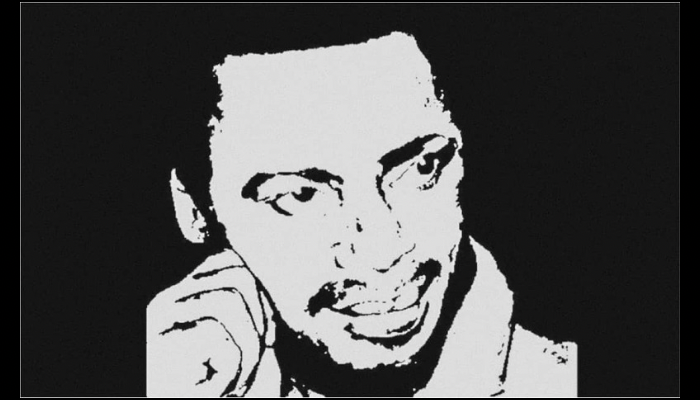
A swirl of brass, the insistent thrum of guitars, and a voice that could weep with sorrow or soar with joy—this was the sound of Cardinal Rex Lawson. Born Erekeosima Jim Lawson on March 4, 1938, in Buguma, Rivers State, he became a defining figure in 1960s Nigerian Highlife, crafting a unique sound that resonated across West Africa and continues to be celebrated today. His music wasn’t just entertainment; it was a mirror reflecting the lives and languages of ordinary Nigerians.
Lawson’s influence wasn’t just about catchy tunes. He took the existing highlife form and injected it with the vibrant pulse of the Niger Delta. His journey, though tragically cut short at 32, left an indelible cultural imprint on a young nation finding its voice.
Cardinal Rex Lawson and West African highlife
Before Cardinal Rex Lawson stepped onto any stage, highlife was already a formidable force across West Africa. The genre emerged from a rich blend of indigenous African musical traditions and external influences. These included sounds from brass and military bands, Christian music, and ballroom orchestras.
Ghana initially played a pivotal role in highlife’s evolution, but its reach soon extended across national boundaries. By the mid-20th century, Nigeria boasted a thriving highlife scene of its own. Musicians like Bobby Benson, Victor Olaiya, and Roy Chicago were already making waves, shaping dance-band highlife into a major urban attraction.
In eastern Nigeria and the Niger Delta especially, musicians began to infuse highlife with regional languages and rhythmic customs. This vibrant musical landscape set the stage for Lawson’s arrival. He would soon develop a style that was distinctively regional yet universally appealing, bridging local identity with widespread popularity.
A young musician’s journey from Buguma
Lawson’s own story began in Buguma, a historic Kalabari community in what is now Rivers State. He grew up with a Kalabari father and an Igbo mother from Owerri, a blend of heritages that perhaps hinted at his future multilingual artistry. Early accounts describe a childhood touched by health concerns, but music quickly became his refuge and passion.
His formal musical journey started with local groups around the Kalabari area. This laid the groundwork for his entry into the bustling professional entertainment scene of Port Harcourt. There, he joined Lord Eddyson’s Starlight Melody Orchestra, initially among its younger members, soaking up invaluable experience.
Port Harcourt proved crucial for his development. From there, his musical horizons expanded to Lagos and the broader Nigerian highlife circuit. He worked alongside established artists like Sammy Obot, Bobby Benson, Chris Ajilo, and Victor Olaiya, absorbing the intricacies of the craft. These years were more than just about learning to play; they were about understanding the entire ecosystem of performance.
Highlife musicianship demanded mastery of horn arrangements, percussion, dance rhythms, and ensemble discipline. Performers also needed to grasp audience engagement and the demands of touring. Lawson, a bandleader, singer, composer, and arranger, honed all these skills, eventually developing a musical character that was truly his own.
Crafting the Niger Delta signature sound
Cardinal Rex Lawson’s lasting achievement lay in his ability to weave Niger Delta musical expression into sophisticated highlife arrangements. His recordings utilized the familiar elements of dance-band highlife—brass, percussion, guitar, and voice—but his approach was deeply rooted in regional rhythms and vocal traditions. This fusion created a sound instantly recognizable and deeply resonant.
His command of languages was especially significant. Lawson performed in Kalabari, Izon, Igbo, and Efik, alongside Nigerian Pidgin. He even incorporated linguistic forms from Cameroon and Ghana. This linguistic breadth broadened his appeal, allowing his music to cross cultural divides across West Africa.
Even listeners who didn’t understand every word found themselves drawn in by the arrangements, the repetitions, the vocal cries, and the call-and-response structures. The emotional depth of his performances transcended language barriers. This created music that was at once intensely local and broadly popular, speaking to many different communities.
More than just music for dancing
While Cardinal Rex Lawson’s music is often remembered for its warmth and melodious quality, his compositions tackled a diverse range of subjects. Beyond mere entertainment, his songs served as a form of social communication. They preserved ethical ideas, communal values, and even philosophical thoughts within memorable musical structures.
A recent academic study, published in 2026 in *Linguistik Online*, meticulously examined his 1969 composition “So Ala Temem.” This research explored how the song’s linguistic choices, melody, and repetitive refrains conveyed complex ideas about wealth, poverty, conduct, and dignity. Lawson’s emotional singing style, often weeping during performances of this song, further deepened its impact.
Lawson led several bands throughout his career, appearing under names like Cardinal Rex Lawson and His Mayor’s Band of Nigeria and later, His Rivers Men. These ensembles produced a substantial body of work, including classics such as “Yellow Sisi,” “Jolly Papa,” “Bere Bote,” and “Ibi Na Bo.” These songs, filled with communal meaning, continue to be played at ceremonies and social gatherings decades after their initial release, cementing their place in Nigerian cultural history.
Music during Nigeria’s turbulent civil war
Lawson’s career unfolded during one of Nigeria’s most tumultuous periods: the Nigerian Civil War. Fought from 1967 to 1970, the conflict drastically reshaped the political and military landscapes, particularly around the Niger Delta. Lawson’s wartime repertoire directly reflected the changing circumstances and anxieties of the time.
He composed songs that spoke to the shifting allegiances and local security challenges within the former Eastern Region. These included “Hail Biafra,” works connected with Isaac Adaka Boro, and “Gowon Special,” referencing General Yakubu Gowon. His music offered solace, commentary, and a form of shared experience during a period of intense upheaval.
These recordings serve as a vital historical record, demonstrating how popular musicians responded to the profound political events swirling around them. They capture the raw emotions and complex realities of how ordinary people lived through the war. This shows the power of music to both document and influence public sentiment during times of crisis.
The enduring appeal of “Sawale” and its echoes
Among Lawson’s extensive catalog, “Sawale” carved out an especially long and vibrant afterlife. The song transcended its original era, remaining familiar to subsequent generations of Nigerians. It became a foundational piece in the musical vocabulary inherited by new performers, demonstrating its timeless appeal.
Decades after Lawson’s passing, its influence resurfaced powerfully when Flavour N’abania drew on “Sawale” for his popular “Nwa Baby” material. This modern adaptation sparked discussions in Nigerian legal and academic circles regarding borrowing and sampling in popular music. It highlighted how Lawson’s melodies continued to circulate and could be reinterpreted for new audiences, bridging different eras of Nigerian popular culture.
This enduring presence of “Sawale” underscores Lawson’s profound legacy. His compositions didn’t merely entertain for a season; they became part of the collective cultural memory. They provided a rich wellspring for future artists to draw from, ensuring his musical spirit lived on long after his physical absence. This makes his work a critical element in understanding evolving Nigerian musical identity.
A legacy cut short, but still alive
Cardinal Rex Lawson’s remarkable career met a sudden, tragic end on January 16, 1971. He was traveling to Warri for a performance when he was involved in a fatal road accident. He died before reaching his destination, just weeks shy of his 33rd birthday. His death at such a young age robbed Nigerian highlife of one of its most distinctive voices.
Even after his passing, members of his musical circle continued to perform, and his recordings remained widely circulated. More than half a century later, Lawson’s music still captivates performers, historians, and scholars. In January 2026, actor and musician Wale Ojo brought “Yellow Sisi” to a contemporary audience in Lagos through a brass-band interpretation, preserving its connection to highlife history.
” This research, involving consultation with speakers of Kalabari, Ibani, Izon, and Okrika, examines how Lawson combined language and music to reinforce social cohesion and moral instruction. His continuing relevance aligns with a broader international appreciation for highlife itself, especially after UNESCO inscribed Ghana’s highlife music on the Representative List of the Intangible Cultural Heritage of Humanity in 2025. This recognition, while specific to Ghana, highlights the genre’s broader importance in shaping generations of West African performers.
