




In Yoruba naming traditions, a name is a living story, a prophecy, a connection to lineage, and a profound statement of identity.
This evolving landscape of identity is most vividly seen in names like Jesusegun, meaning “Jesus is victorious,” and Allahugbemi, which translates to “Allah favors/supports me.” These hybrid names mark a significant shift from indigenous naming systems, reflecting the interplay between personal faith and a collective cultural heritage in Nigeria’s Southwestern region.
The Enduring Significance of Yoruba Naming Traditions
For centuries, Yoruba names have served as more than simple identifiers. They encapsulate the circumstances of a child’s birth, the family’s experiences, its aspirations, and its philosophy of life. This intricate system speaks to a worldview where words carry immense power and meaning.
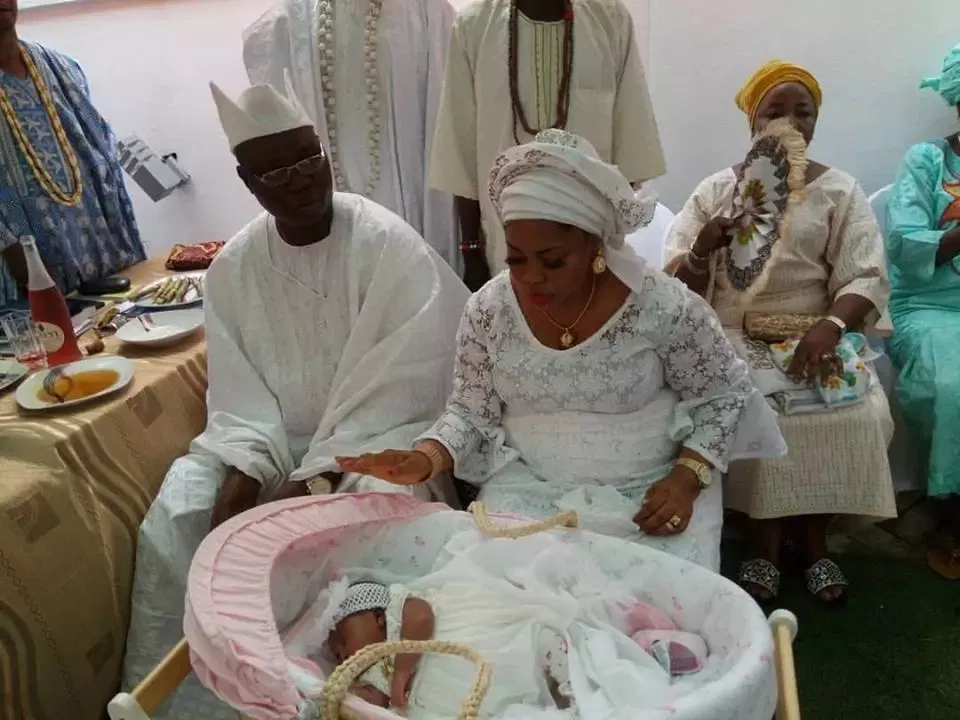
Traditionally, a male child received his name on the eighth day, and a female on the seventh, though today both genders often share the seventh or eighth day for their ceremony. The Ìsomọ lorukọ, or naming ceremony, is a sacred affair.
Elders offer blessings, and symbolic items like honey for sweetness, salt for value, and water for purity are used, each representing a wish for the child’s future.
Oríkì and the Art of Praise
Beyond personal identifiers, the Yoruba embrace Oríkì, poetic praise names that highlight a person’s lineage, achievements, or inherent qualities. These are not merely titles but intricate verses that connect an individual to their ancestral story, echoing through generations and reinforcing communal bonds.
Children often carry multiple names—sometimes three to five—each laden with unique significance. Some are Orúkọ Àmútọ̀runwá, or destiny names, believed to be divinely chosen. Others are Orúkọ Àbísọ, acquired names reflecting specific birth conditions or significant family events.
When New Faiths Met Ancient Customs
The arrival of Christianity and Islam in Nigeria brought with it new spiritual frameworks and, inevitably, new naming conventions. Initially, this often meant adopting biblical names like John or Islamic names like Muhammad. But a more subtle phenomenon has emerged: the integration of foreign religious terms directly into Yoruba linguistic structures.
The concern articulated by scholars like Ganiu Bamgbose, PhD, is not about individual religious choice. Instead, it focuses on the systematic attachment of “Jesu” or “Allah” to Yoruba words, forming names that represent a reconfiguration of an indigenous system under external religious influence.
This differs markedly from traditional Yoruba names that expressed spirituality without foreign lexical insertions, such as Oluwatoyin (God is worthy to be praised) or Oluwaseun (God, thank you).
Colonialism and its Naming Legacy
The seeds of this cultural shift were sown long ago, during the era of colonialism and Westernization. Colonial rule often dismissed indigenous practices, leading to a reorientation of values. This historical process laid the groundwork for foreign influences to take deeper root within Nigerian society.
The advent of these global religions prompted some to convert names linked to traditional deities—for example, shifting from “Esubiyi” to “Jesubiyi.” This transformation, while rooted in personal faith, inadvertently began altering the long-standing indigenous naming patterns, pointing to deeper cultural divides that persist today.
The Blended Identity of “Jesusegun” and “Allahugbemi”
Names like Jesusegun and Allahugbemi stand as poignant examples of this cultural blending. Jesusegun, combining “Jesu” (Jesus) with the Yoruba “segun” (victorious), proclaims a specific religious triumph. Similarly, Allahugbemi, merging “Allah” with “gbemi” (support me/favor me), expresses a plea for divine favor within an Islamic context.
These names, while expressing deep religious devotion, also highlight a subtle shift away from the traditional Yoruba practice where names conveyed meaning through wholly indigenous vocabulary. They represent a distinct evolution from merely adopting foreign names to actively incorporating foreign linguistic elements into the very structure of Yoruba naming.
When Identity Becomes a Compromise
This practice, observed across various Nigerian communities, creates a unique layer of identity. A child might carry a name that speaks to their parents’ profound faith, yet the construction of that name subtly alters its cultural resonance. It raises questions about how future generations will connect with a heritage that feels increasingly syncretic.
The blend suggests that while religious identity is embraced, it sometimes comes at the cost of a purer, unadulterated cultural expression. It’s a balancing act, where the desire for spiritual affirmation meets the challenge of cultural preservation.
Tracing the Erosion of Cultural Memory
The phenomenon of altered naming practices isn’t an isolated incident; it’s a visible symptom of broader cultural erosion. When indigenous naming traditions weaken, a crucial link to history and cultural memory can fray. Names are powerful vessels for transmitting worldview and values across generations.
A child growing up without a full understanding of their indigenous name’s layers of meaning might lose an entry point into a rich cultural worldview. This can contribute to a sense of cultural disorientation, where the lines between one’s ancestral heritage and adopted belief systems become blurred.
The Academic Perspective on Naming Shifts
Academics have long studied the profound role of naming. Researchers like Olakunle Folami, Omobolaji Omolola Akande, and Oluwafemi Imisioluwa Olatunde from Adekunle Ajasin University have emphasized that naming is fundamental to Yoruba culture, yet its importance has been impacted by globalization and external religions. They argue that preserving naming culture is essential for the survival of the Yoruba people themselves.
The argument isn’t to diminish religious devotion. Instead, it suggests a path where both religious and Yoruba identities can coexist harmoniously. Traditional Yoruba names are fully capable of expressing spiritual convictions, making foreign lexical insertions unnecessary for devout expression.
Preserving Heritage in a Changing Cultural Landscape
The conversation around names like Jesusegun and Allahugbemi underscores a critical juncture for Yoruba cultural identity. It forces a contemplation of what is gained and what might be subtly lost as traditions evolve under the weight of global influences and deeply held religious convictions. This is not a simple choice between old and new but a complex negotiation of belonging.
For many, the aim is not to halt cultural evolution but to ensure that the evolution is conscious and reflective. It’s about recognizing the dignity inherent in both religious identity and ancestral heritage, seeking a balance where one doesn’t inadvertently subsume the other. The question becomes: how can individual faith flourish without dimming the light of collective cultural memory?
A Call for Thoughtful Reflection
Efforts to preserve indigenous cultural heritage, including naming practices, increasingly focus on education and awareness. Parents and community leaders are urged to reflect on the long-term cultural implications of naming choices. This encourages a conscious connection to heritage, ensuring that names continue to be acts of cultural education, not just religious declaration.
Ultimately, the story of Yoruba names is a microcosm of Nigeria’s larger cultural journey. It reveals a society constantly negotiating its past, present, and future, seeking to honor its diverse identities while maintaining the essence of what makes it unique. The names whispered over newborns today carry not just hope for their individual futures, but also the enduring echo of a culture in transition.
