




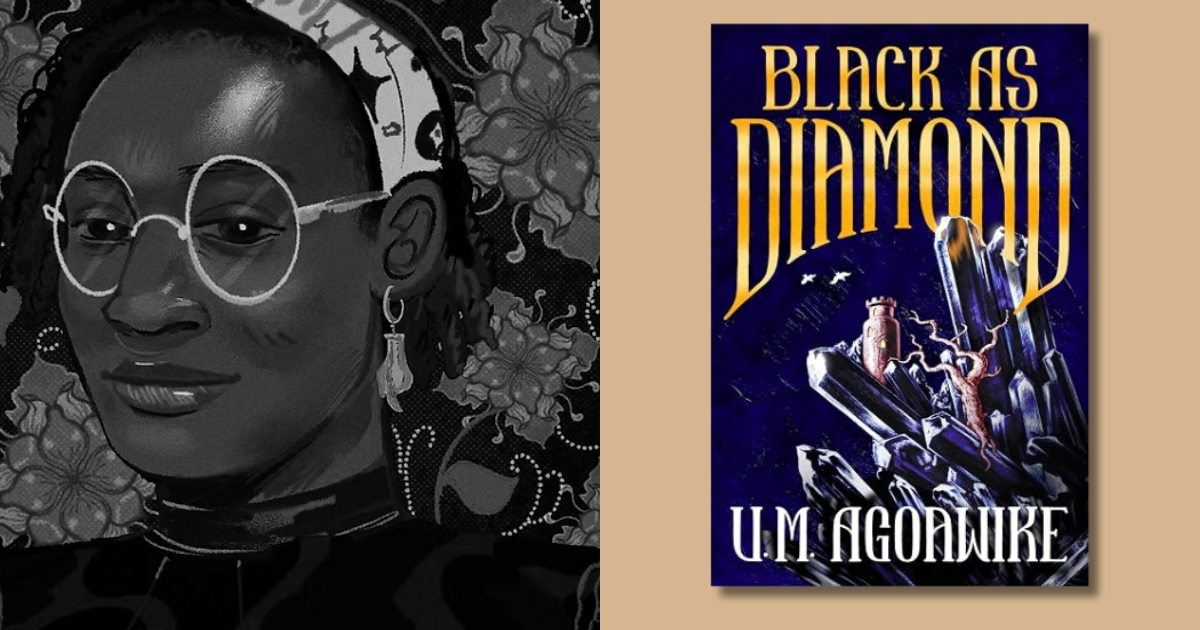
U. M. Agoawike’s Black as Diamond is a queer fantasy novel that explores inherited histories and evolving identities. M. Agoawike’s Black as Diamond weaves queer identity into epic fantasy.
Agoawike, a Nigerian-Canadian writer, doesn’t just tell a story; they craft an experience that resonates with the complexities of navigating multiple cultural threads. The novel stands as a significant contribution to a growing body of literature that redefines who gets to be a hero in fantastical worlds, making the past feel urgent and alive for new generations of readers.
Black as Diamond queer fantasy and echoes of heritage
The creation of Black as Diamond’s intricate universe stems from U. M. Agoawike’s deep-seated passion for world-building, a process they consider their favorite part of writing. This expansive approach draws heavily from ancient histories, cultures, and religions, reflecting a rich tapestry of influences that often mirror the multifaceted identities of the Nigerian diaspora.
Rather than simply constructing a backdrop, Agoawike imbues the fictional world with the weight and wisdom of genuine heritage. The magic system, in particular, acts as a foundational element, deeply rooted in these diverse inspirations. It’s a subtle nod to the power of ancestral knowledge and varied spiritual traditions that shape so much of everyday life across different cultures, including Nigeria’s.
This careful layering of historical and cultural elements gives the narrative a profound sense of authenticity, even amidst its fantastical elements. Readers are invited to explore a world that feels both entirely new and strangely familiar, echoing stories and mythologies passed down through generations.
This blend creates a unique experience, allowing those who navigate diverse cultural identities to see their own complex heritage reflected in the very structure of the fictional reality.
Queer Identities: Finding Themselves in the Story
One of the most compelling aspects of Black as Diamond lies in its seamless integration of queer identity. Agoawike’s narrative moves beyond token representation, embedding queer experiences directly into the characters and the fundamental dynamics of their magical society. It’s a deliberate choice that challenges older, often problematic portrayals within speculative fiction.
The story follows Asaru, a winged eresh keyel warrior, and Wren, a reckless former healer, whose bond forms the core of the quest. Their identities are not plot devices or external markers; they are intrinsic to who they are, how they interact, and how they navigate a world filled with danger and discovery.
This approach resonates deeply with readers searching for narratives where their own identities are acknowledged with dignity and complexity.
For many, particularly within the Nigerian community and its diaspora, seeing queer lives affirmed and centered in such a grand-scale epic fantasy offers a powerful sense of validation.
It reflects a growing desire for literature that mirrors the diverse lived experiences and identities that exist, moving away from narratives that often sideline or stereotype these voices. The novel’s portrayal signals a shift, offering a mirror for those who have long felt invisible in mainstream storytelling.
When the Past Shapes the Present: An Enduring Theme
At its heart, Black as Diamond is a journey of discovery, not just for its characters but for the reader. The novel’s central quest—Asaru’s search for answers to his brother’s disappearance, leading him to Wren and ultimately the Chronicler, keeper of the eresh keyel’s history—is a potent metaphor for confronting inherited legacies. These historical inquiries often shape collective identities.
The narrative explores how the actions of past generations cast long shadows, influencing the present and even dictating the future. This theme holds particular resonance in a nation like Nigeria, where colonial legacies, civil conflicts, and shifting political landscapes continually remind its people that history is never truly past.
Agoawike uses the fantastical setting to delve into these universal truths, asking what happens when uncomfortable truths about the past are finally unearthed.
It’s a story that compels readers to consider the weight of collective memory and the courage it takes to confront uncomfortable truths. The truths Asaru and Wren uncover threaten to shatter their world, echoing real-world societal transformations sparked by revelations about historical injustices. This constant interplay between history and destiny provides the novel with much of its depth.
The Author’s Vision: Blending Inspiration and Identity
U. M. Agoawike brings a unique lens to the genre of speculative fiction. As a Nigerian-Canadian author residing in Alberta, Canada, their work naturally bridges cultural landscapes, creating narratives that are both globally resonant and deeply personal. Their influences are eclectic, ranging from the intricate plots of traditional short stories to the dynamic storytelling found in manga, webcomics, and graphic novels.
Agoawike has described Black as Diamond as a “noble dark epic fantasy” that dives into themes of fate, free will, and self-discovery. They also focus on the concept of “adultescence,” exploring characters navigating the complexities of their twenties. This blend of traditional epic scope with intimate character journeys, filtered through a diverse cultural perspective, is a hallmark of their writing.
Their approach to storytelling reflects a broader trend of writers drawing from rich, non-Western mythologies and contemporary identity politics to forge new pathways in fantasy. It’s about building worlds that feel authentic to their creators’ experiences, offering fresh narratives that challenge established norms. These shared experiences can often shape artistic expression.
Charting New Literary Paths
The publication of Black as Diamond by Bindery Books marks more than just the arrival of a new voice in fantasy; it signifies a conscious effort to diversify the literary landscape.
Bindery Books operates with a unique model, partnering with “bookish tastemakers” to identify and promote stories that might otherwise be overlooked by traditional publishing channels. This approach aims to build a built-in community for authors from the outset.
A positive review from Publishers Weekly, which lauded the debut as “overflowing with colour, queerness, and magic,” carries significant weight in the literary world. It acts as a powerful signal to booksellers, librarians, and readers alike, boosting the novel
