




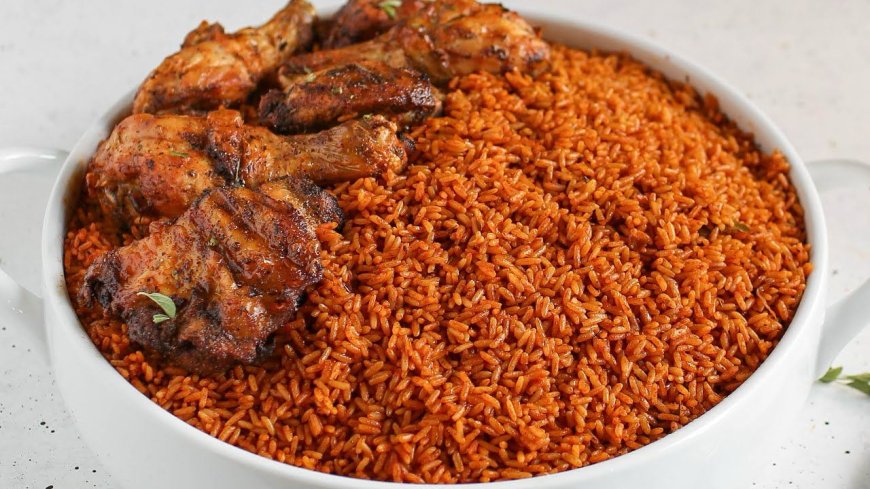
The aroma of simmering tomatoes, spices, and rice hangs heavy in countless West African kitchens, a familiar comfort that often precedes a passionate debate. It’s a discussion less about mere flavour and more about belonging. This is the heart of the “Jollof Challenge,” a beloved and frequently intense rivalry that defines a significant part of the region’s cultural identity.
On September 2, 2026, a succinct joke, shared online by Dr. Y., encapsulated this fervent, yet good-natured, contention. It painted a scene: a Ghanaian man asks his Nigerian friend why Nigerians consistently champion their jollof as superior.
Understanding the Jollof Challenge
The Nigerian’s response—”Because if I say Ghanaian jollof is better, even my ancestors will appear and beat me”—speaks volumes about the deep ancestral loyalty tied to this iconic dish.
This culinary tussle, often playfully dubbed the “Jollof Wars,” extends far beyond simple food preferences. It’s a vibrant cultural phenomenon, playing out in kitchens, at family gatherings, and across the digital landscape.
The banter serves as a powerful expression of national pride and shared heritage. It reinforces community bonds and provides a lighthearted outlet for intense regional allegiances. This ongoing African diplomacy through food showcases a unique cultural exchange.
From social media memes to lively arguments that can last for hours, the Jollof Challenge has become an integral part of everyday West African life. It transforms a humble meal into a symbol of identity, sparking joy and spirited debate wherever it’s served.
From Senegambian Roots to Regional Staple
To understand the depth of this culinary rivalry, one must first appreciate jollof rice’s profound origins. The dish traces its lineage back to the Senegambian region, within the Wolof Empire, which flourished between the 12th and 14th centuries. The very name “Jollof” derives from the Wolof people themselves.
The original incarnation, known as Thieboudienne or ceebu jën in Wolof, translates to “rice and fish.” Legend credits a Wolof woman named Penda Mbaye with its invention. This one-pot meal was a foundational recipe, laying the groundwork for the many variations to follow.
The introduction of broken rice from Indochina by French colonizers between 1860 and 1940 marked a pivotal evolution. This new ingredient helped refine the dish, setting a standard for its texture and preparation. As trade routes expanded across West Africa, the core concept of cooking rice directly in a rich, spiced tomato broth took root.
Each nation subsequently adopted and adapted the recipe, incorporating local ingredients, preferred rice varieties, and unique spice blends. This organic evolution led to the diverse regional expressions of jollof rice known today. It truly became a dish of the people, shaped by local hands and tastes.
A Dish of Many Faces Across West Africa
While the fundamental elements of jollof remain consistent—rice, tomatoes, chilis, onions, and spices—the preparation methods and flavour profiles differ significantly from country to country. These variations are the very fuel for the Jollof Wars.
Nigerian jollof, for instance, is often celebrated for its bold, smoky, and rich flavour. It’s typically spicier, thanks to a heavy tomato-pepper base that frequently includes Scotch bonnet peppers. Nigerian cooks commonly favour long-grain parboiled rice, contributing to a distinctive texture.
Ghanaian jollof, in contrast, tends to be more aromatic and uses basmati rice, which yields a lighter, more separate grain. Its flavour profile often balances spice with a fragrant depth, sometimes incorporating more ginger and garlic. The distinction fuels much of the playful back-and-forth.
Beyond these two prominent contenders, other West African nations also champion their own versions. Senegal’s original Thieboudienne, for example, prioritises fish and a medley of vegetables. Sierra Leone, Liberia, and Cameroon each contribute unique twists, making the dish a true reflection of past regional dynamics and culinary diversity.
More Than a Meal: Jollof as Social Currency
Jollof rice transcends its culinary function; it is a powerful symbol of community, celebration, and shared heritage. It forms the centerpiece of countless gatherings, from birthdays and weddings to religious festivals and everyday family meals. It embodies togetherness.
This dish provides a profound sense of belonging and cultural continuity. For many, the taste and aroma of jollof evoke memories of childhood and family, connecting generations through a shared culinary language. It’s a staple that weaves itself into the fabric of life.
Even for West Africans living in the diaspora, jollof remains a vital link to home. Preparing and sharing the dish becomes an act of cultural preservation and identity. It helps maintain connections across continents, fostering a sense of shared community far from ancestral lands.
The Playful Fervour of the “Wars”
The “Jollof Wars” are, at their core, a testament to West Africa’s vibrant humour and resilience. They are a friendly competition, devoid of genuine animosity, that allows people to express national pride in an engaging way. It’s a rivalry built on affection and mutual respect.
Social media has amplified this playful fervour, transforming local kitchen debates into continent-wide spectacles. Hashtags like #JollofWars frequently trend, showcasing an endless stream of memes, videos, and passionate declarations. Online platforms provide a global stage for this unique cultural exchange.
Beyond the digital realm, formal and informal cooking competitions often pit nations against each other. These events, whether in local communities or international festivals, serve as a platform to celebrate and showcase the diverse interpretations of jollof. They elevate the dish to an art form, complete with judges and eager spectators.
The Ancestors’ Approval: Why Pride Matters
The Nigerian man’s joke, invoking his ancestors to defend his jollof, speaks to a deeper truth about cultural pride. Food traditions are not merely recipes; they are repositories of history, memory, and collective identity. To denigrate one’s jollof is to question a piece of one’s heritage.
This fierce loyalty demonstrates how deeply intertwined culinary practices are with national identity. The belief in one
