




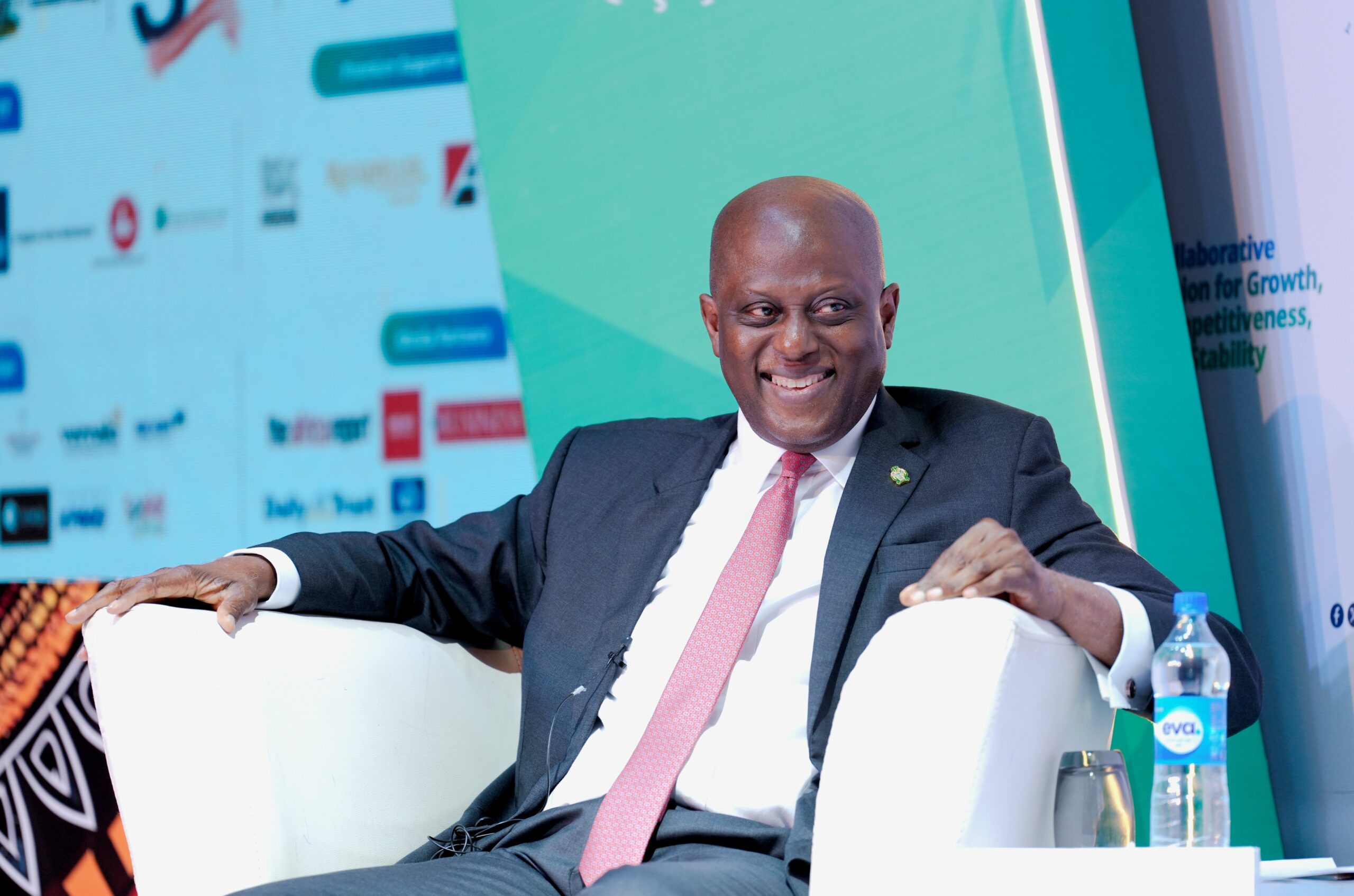
The murmurs at the BusinessDay CEO Forum in Lagos fell silent as Mr. Olayemi Cardoso, Governor of the Central Bank of Nigeria (CBN), took the podium. What he delivered yesterday, July 16, 2026, was more than just an update; it was a declaration: Nigeria’s net foreign reserves have officially soared past the $40 billion mark.
This moment marks a profound shift for a nation long battered by currency instability and dwindling external buffers.
The CBN’s bold gambit: FX market unification
It’s a figure that stands in stark contrast to the approximate $3 billion net reserves Cardoso inherited upon taking office in late 2023. Back then, analyses from global institutions like J.P. Morgan had “created a lot of panic in the system,” as he recalled.
But the CBN’s swift and sweeping reforms are now carving out a new reality, one designed to inspire both domestic trust and international interest.
Nigeria’s economic narrative has, for years, been defined by the volatile dance of its foreign exchange market. When Governor Cardoso stepped into his role in October 2023, the landscape was fragmented, riddled with multiple exchange rates that bred distortion and deterred legitimate investment. The naira’s value seemed in freefall, and the confidence of investors had all but evaporated.
But the numbers emerging from the CBN tell a different story today. As of July 16, 2026, Nigeria’s gross external reserves stood at approximately $52 billion. This robust figure offers about 10 months of import cover, a crucial measure of economic health and a potent signal for foreign direct investment.
It’s also the highest level seen in over 17 years, last touched in January 2009 when reserves hit $52.01 billion.
Ending a history of currency distortions
At the very core of this recovery lies the CBN’s decisive move to unify Nigeria’s foreign exchange market. Cardoso didn’t mince words yesterday, stating, “We have moved from a market characterised by uncertainty and multiple exchange rates to one where those distortions have disappeared. Today, the multiple exchange windows have been collapsed.”
This bold policy, championed by President Bola Tinubu’s administration, aimed to establish a single, transparent market where forces of demand and supply determine the naira’s true value. While the initial period saw considerable volatility and pain for businesses and consumers, the CBN held its course.
The dramatic increase in reserves suggests this difficult journey is starting to yield dividends, proving that sometimes, short-term adjustments pave the way for long-term stability.
Echoes of past reforms in Nigeria’s economic history
Nigeria’s economic history is a winding road paved with cycles of reform, resistance, and renewed attempts to stabilise its currency and build external buffers. The current efforts by Mr. Olayemi Cardoso and his team at the Central Bank are not new; they echo past battles fought by various administrations to steer the nation’s economic ship through turbulent waters.
One might recall the structural adjustment programmes of the 1980s. Though controversial, those were genuine attempts to address deep-seated economic imbalances, including the ever-present challenge of foreign exchange. Subsequent governments, too, have wrestled with similar dilemmas, often caught between immediate political expediency and the enduring need for economic health. The gains made now are hard-won, built on lessons, sometimes painful, from these earlier periods.
Reclaiming the naira’s global standing
Decades of inconsistent policies, over-reliance on oil revenue, and a lack of transparency in foreign exchange management often led to severe currency depreciation. These crises didn’t just erode the purchasing power of ordinary Nigerians; they also made the country a less attractive destination for international investors.
The period before Cardoso’s appointment saw the naira significantly weaken against major global currencies, driving inflation higher and making imports prohibitively expensive.
Using a naira card abroad became a luxury, reflecting a tangible loss of international confidence. “When you travel today, you go with your naira card. It works. It has brought back the way the outside world looks at us,” Cardoso remarked.
It’s a powerful statement about reclaiming basic financial functionality that was once taken for granted, a sign of renewed respect for the currency on the global stage.
Igniting investor confidence and a ripple effect
The improved position of Nigeria’s net foreign reserves is far more than just a statistical victory; it’s a vital signal to global investors. High reserves demonstrate a country’s capacity to meet international obligations, maintain currency stability, and absorb external economic shocks. For a nation like Nigeria, actively striving to diversify its economy and attract crucial foreign direct investment, this signal is priceless.
“Anybody coming to invest in Nigeria, these are the things they look at in determining whether it is worth taking a position in your currency,” Cardoso explained. He pointed to a notable shift in perception, observing, “We are seeing enormous interest from outside Nigeria. Investors are watching very closely.
There has been a lot of engagement, and in some cases investments are already being made.” This renewed confidence isn’t accidental; it’s a direct consequence of the CBN’s consistent policies and unwavering commitment to market-driven reforms.
Beyond the balance sheets: tangible benefits for everyday nigerians
The strengthening of Nigeria’s net foreign reserves extends beyond macroeconomic figures, creating tangible effects on the lives of everyday citizens and the broader economy. A more stable naira helps to curb imported inflation, making essential goods and services more affordable for families.
It also lowers the cost of doing business for countless Nigerian companies that depend on imported raw materials or machinery. This could eventually lead to lower consumer prices and increased economic activity across the country.
Crucially, the increase in reserves also boosts Nigeria’s creditworthiness on the international stage. This translates into potentially better terms for sovereign borrowing and could lead to lower interest rates for local businesses, improving their access to global financial markets. It’s a powerful cycle: confidence attracts investment, investment fuels growth, and growth further solidifies the nation’s financial standing.
The enduring fight for economic sovereignty continues
Governor Cardoso’s pronouncements are not just a celebration of current achievements; they are a firm call to maintain discipline and build on this hard-won momentum. He urged Nigerian business leaders to avoid complacency, reminding them that this stability must be carefully nurtured. “My hope is that our own business leaders and CEOs will recognise this.
They should not be afraid or assume things are still the way they used…,” he stated, a subtle warning against reverting to old habits or failing to appreciate these hard-fought gains.
The country’s ability to generate strong diaspora remittances, projected to reach $1 billion monthly by year-end, plays a vital role in shoring up external liquidity. While the $40 billion milestone is significant, Cardoso himself acknowledged, “It’s a long and difficult journey.” Nigeria still confronts considerable challenges, from persistent inflation to infrastructure deficits, and the ongoing need for sustained economic diversification.
The current CBN leadership, appointed by President Bola Tinubu, carries the weight of history with every decision it makes. Their actions today resonate with Nigeria’s enduring struggle to assert its economic independence and forge a prosperous future for its citizens.
This moment, when the nation reclaims its financial footing, serves as a powerful reminder that Nigeria’s destiny has always been forged in the crucible of its own economic choices, just as it was decades ago, and as it will be for generations to come.
The lessons from past economic reforms, both successful and stalled, remain alive in every decision made on the path to lasting prosperity.
