



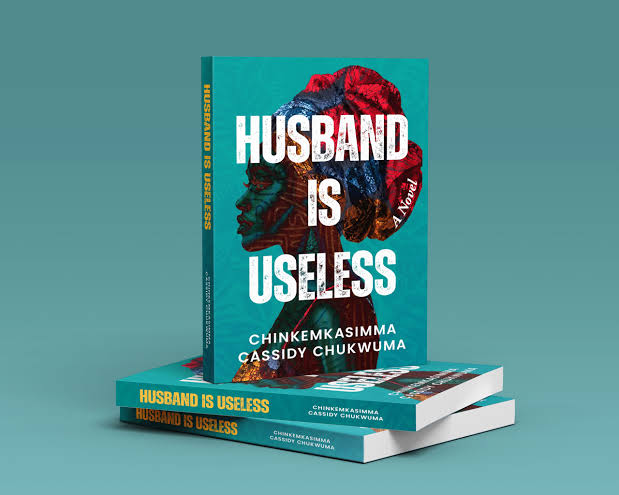
In August 2026, the announcement of Chinkemkasimma Cassidy Chukwuma’s debut novel, Husband Is Useless, ignited an immediate and intense public debate across Nigerian social media. This uproar became a live demonstration of how swiftly public opinion can form around a title, long before anyone reads the actual book.
It sparked a national conversation about marriage, Nigerian masculinity, and feminism, asking a fundamental question: are we now, quite literally, judging a book by its cover?
The Digital Firestorm and Immediate Reactions to the Husband Is Useless uproar
The controversy transcended mere literary discussion, evolving into a broader cultural referendum. The novel’s title alone garnered over 21 million impressions on Twitter (now X), transforming a book launch into a societal flashpoint. This event offers a unique lens through which to examine Nigeria’s evolving relationship with online discourse and the deeply ingrained cultural expectations surrounding gender and marriage.
Chinkemkasimma Cassidy Chukwuma’s novel wasn’t even available for purchase when the furor began. Yet, its three-word title was enough to trigger a wave of reactions. Many people swiftly arrived at a settled opinion, perceiving the title as a wholesale condemnation of all men.
This reflexive defensiveness, often expressed online, quickly shifted the conversation from literature to broader social issues. Casual dismissals of feminism emerged, alongside generalisations about ethnicity and attacks on the author’s identity. The absence of an excerpt or the book’s full content didn’t deter confident verdicts from being issued.
Social media platforms like Facebook, X, and Instagram became conduits for this rapid-fire judgment. The debate showcased how digital spaces accelerate the spread of initial, often emotional, responses. Nuanced understanding frequently takes a backseat to immediate reactions in such environments.
The speed with which opinions calcified underscores a modern tendency to engage superficially. People reacted to the title and cover art, rather than waiting for the novel’s actual content. This pattern reflects a broader cultural shift in how information is consumed and judged in the digital age.
A Provocative Title, Enduring Societal Questions
A good title is designed to provoke, to ask a question. Husband Is Useless certainly achieved this, prompting inquiries like “Which husband?”, “Useless how?”, and “Is this about one man or something larger?” But the initial online noise often overshadowed these deeper literary questions.
The novel’s synopsis reveals a story far more intricate than the initial outcry suggested. It describes a woman named Sade, raised under an unspoken code of feminine obedience. She enters two marriages driven by societal pressures rather than love, enduring years of hardship before reaching a breaking point.
This narrative territory is not new in Nigerian fiction, yet the title amplified its resonance. It touched upon deeply held beliefs about marital responsibilities and gender roles. The distinction between “Husband Is Useless” (singular) and “Husbands Are Useless” (plural) was largely lost in the online rush to judgment.
The public reaction demonstrates how a bold title can serve as an effective, if risky, marketing tool. It generates attention and conversation, even at the expense of potential misinterpretation. This incident highlights the potency of language to both attract and polarise an audience.
Echoes of a Literary Tradition
Chukwuma’s novel, regardless of the online commotion, joins a significant lineage in Nigerian literature. For decades, Nigerian women writers have explored the institution of marriage as a crucible for a woman’s private life. They examine the clash between personal desires and societal expectations.
Authors like Flora Nwapa, a pioneering figure, often delved into the complexities of women’s lives within marital structures. Buchi Emecheta, another literary giant, unflinchingly portrayed the challenges faced by women navigating patriarchal societies. Her characters frequently struggled against conventions and sought personal agency.
The struggles of Sade, the protagonist of Husband Is Useless, reflect these long-standing themes. Her story confronts the “unwritten manual” of girlhood: stand properly, sit properly, don’t laugh too loud. These dictates shaped generations of Nigerian women, defining their public and private conduct.
Such narratives explore the pressure to marry, often for reasons beyond love, and the societal stigma attached to women without husbands. This historical context reveals that the core themes of Chukwuma’s novel are deeply rooted in Nigerian women’s lived experiences. It is a story about identity and expectation.
The Mechanics of Superficial Judgment
The uproar over Husband Is Useless provides a stark illustration of superficial judgment. Opinions were formed and widely disseminated without engagement with the actual content. This mirrors a broader societal tendency to form strong conclusions based on limited information.
One common misconception was that the title represented a literal statement by the author. Many commentators, however, pointed to a broader lack of literary understanding. Literary titles can be satirical, ironic, metaphorical, or intentionally provocative; they are not always meant to be taken at face value.
The debate thus became a commentary on contemporary media consumption habits. Rapid online discourse often prioritises immediate emotional responses over careful analysis. This dynamic means that initial perceptions, once amplified, become difficult to dislodge, regardless of the underlying truth.
This incident also highlighted societal sensitivities surrounding gender roles and masculinity in Nigeria. The title, even in its singular form, inadvertently touched on deeply held beliefs and anxieties. It exposed the fault lines in ongoing conversations about women’s agency and marital dynamics.
From Outrage to Outcomes: Virality and Sales
Despite the initial wave of criticism, the controversy surrounding Husband Is Useless translated into tangible success. The virality of the discussion significantly boosted pre-orders for the novel. Copies began moving rapidly, a clear signal that public interest had been piqued.
This outcome presents a compelling counter-narrative to the idea that negative publicity always hinders success. Sometimes, even outrage can serve as a powerful marketing engine. People, it seems, were willing to put their money where their mouths were, curious to read the source of so much debate.
The phenomenon suggests a growing and active Nigerian literary space, capable of generating significant conversation. When the right spark ignites, a book can transcend its traditional confines. It can become a catalyst for wider social discourse and impressive sales figures.
As Nigerians now begin to read the novel, the focus is expected to shift towards more measured reviews. This transition from pre-publication clamour to post-reading critique will be critical. It offers a chance to engage with the novel’s actual themes of tradition, rebellion, and a woman choosing herself for the first time.
The journey of Husband Is Useless, from controversial title to best-selling pre-order, reveals much about modern Nigerian culture. It shows a society grappling with its evolving identity, using digital platforms to air deeply held convictions. It also highlights the enduring power of storytelling to provoke, challenge, and ultimately, captivate a nation.
Nigerians continue to shape their narrative and express their collective identity through varied platforms.
