




Nigeria’s Hajj pilgrimage allocation was slashed from 95,000 to 60,000 seats in 2023, a reduction of 35,000 seats.
The sudden drop signaled a critical administrative failure, revealing Nigeria’s struggle to adapt to stringent new Saudi Arabian policies. Thousands had prepared for years to make the journey, only to find their hopes dashed by bureaucratic delays.
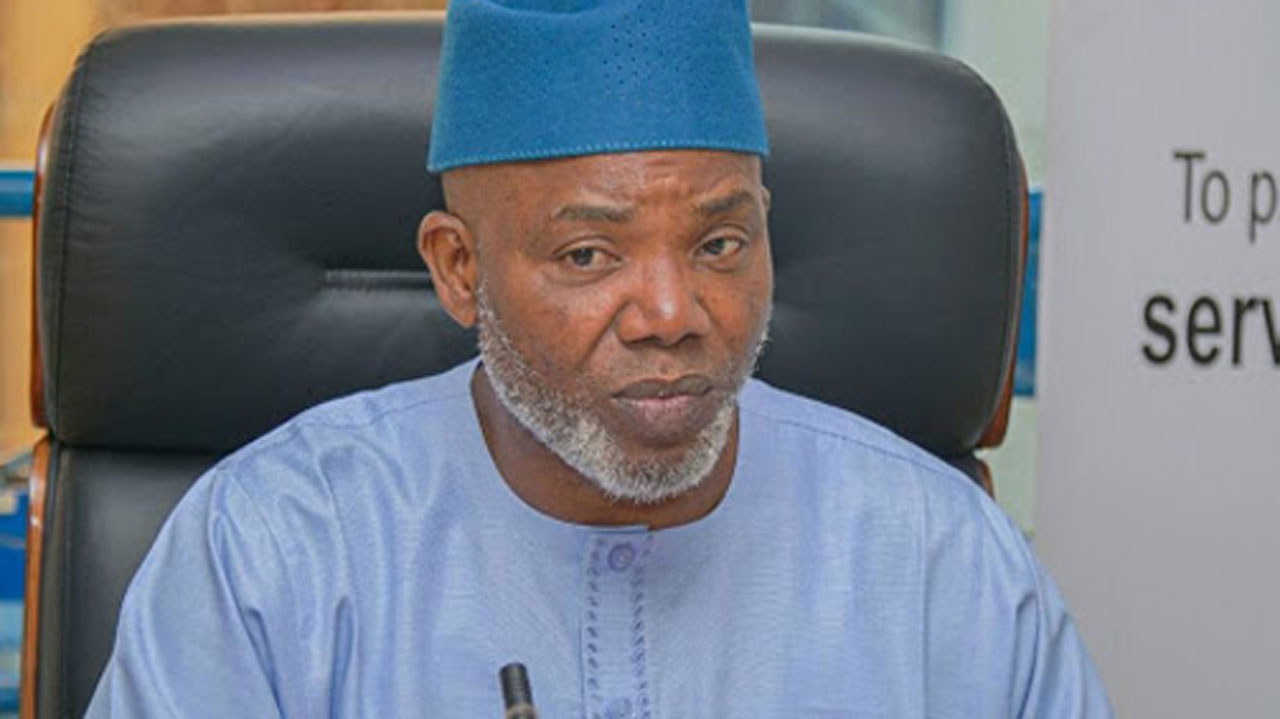
Chairman Alhaji Zikrullah Kunle on lost Hajj slots
The primary cause of this significant loss stemmed from the inability of many Nigerian pilgrims to remit their Hajj fares by the strict deadline set by Saudi authorities. The Saudi Ministry of Hajj and Umrah had mandated that all payments and arrangements be finalized by April 21, 2023.
Alhaji Hassan openly admitted NAHCON’s difficulties, stating, “We appealed to the Saudi Ministry of Hajj and Umrah for an extension, but they insisted on the deadline. We tried our best, but we could not meet up with the payment deadline.” This adherence to global timelines posed a severe challenge for Nigeria’s internal processes.
Saudi Arabia’s new Hajj policy required direct payment to its Ministry of Hajj and Umrah. This shift demanded a level of financial and logistical coordination that Nigeria, through its states and pilgrims, reportedly struggled to achieve. The inefficiency created a significant industrial bottleneck for the nation’s Hajj operations.
Pilgrim Voices and Administrative Scrutiny
The frustration among aspiring pilgrims was palpable. Hassan Mohammed from Kaduna voiced the widespread disappointment, observing that Nigeria had the opportunity to utilize the full allocation but failed to do so. This oversight meant thousands of allocated seats went unused, a bitter pill for those who had saved diligently.
Almustapha Ahmed, a Sokoto resident, highlighted the deep personal impact. Hajj represents years of financial planning for families, and its sudden unavailability exacted a heavy toll. Rafiu AbdulRauf from Oyo State questioned whether NAHCON and state authorities had acted proactively enough when early warning signs emerged.
These public concerns reflected deeper issues within NAHCON itself. The commission saw significant leadership changes around this period. Jalal Arabi’s administration, responsible for the 2024 Hajj, was efficient in its operations but ended amid an Economic and Financial Crimes Commission (EFCC) investigation into alleged mismanagement of a N90 billion intervention fund. President Bola Tinubu subsequently removed Mr. Arabi.
Abdullahi Usman, a professor, took over but resigned in February 2026, his tenure marred by internal disagreements. Ismail Yusuf, a former diplomat, then inherited a commission grappling with internal restructuring and the fast-evolving Saudi Hajj management system. This leadership turbulence compounded the operational challenges.
Impact on Aspiring Pilgrims
The reduction directly impacted pilgrims across all 36 states and the Federal Capital Territory. Many had meticulously saved and planned for years for the sacred journey. Their aspirations were abruptly put on hold due to a confluence of late registrations, payment processing issues, and a rapidly closing visa portal.
This situation underscored the profound personal cost of administrative missteps. Families saw their spiritual ambitions delayed, often indefinitely. It highlighted a disconnect between national administrative capacity and the individual sacrifices made for religious observance.
A Shift in Saudi Policy
The Saudi government’s new policy was clear: all Hajj payments had to be made directly to their Ministry by the deadline. This represented a move towards greater centralization and efficiency in Hajj management, aiming to streamline the pilgrimage experience for millions globally. For years, Nigeria had maintained one of the largest contingents at the annual pilgrimage.
In 2022, Nigeria’s allocation stood at 43,008 pilgrims. The 95,000 slots initially offered for 2023 represented a significant return to pre-pandemic numbers. However, the failure to utilize these spaces fully ultimately led to the reduction. It was a stark reminder that allocations came with strict obligations, not just historical precedence.
The Saudi authorities reduced Nigeria’s allocation precisely because of the previous cycle’s underutilization. This revealed a strategic shift: the Saudi Ministry prioritized efficiency and adherence to timelines over historical allocations. Nigeria’s administrative challenges were now directly impacting its national quota.
Saudi Modernisation and Nigeria’s Adaptability
Saudi Arabia embarked on a comprehensive modernisation of Hajj administration, heavily leveraging technology. This included synchronising pilgrim data, biometrics, visas, accommodation, and transport through digital platforms such as Nusuk-Masar. The new system left minimal room for the administrative delays that had historically plagued the process.
Missed deadlines, incomplete data, or failures to synchronise pilgrim information now directly resulted in lost spaces, a harsh reality Nigeria learned firsthand. This technological pivot also encouraged private operators to assume a more significant operational role. NAHCON, under this emerging model, was expected to transition into a regulatory and monitoring body.
While this transition promised improved efficiency, it simultaneously raised critical questions for Nigeria regarding consumer protection, pricing, and accountability among licensed companies. The shift demanded a proactive, technology-literate approach from Nigerian authorities, a departure from previous, often less stringent, arrangements.
Lessons for Nigeria’s Hajj Management
The loss of 35,000 Hajj seats in 2023 was more than just a number; it exposed a critical need for institutional reform within Nigeria’s Hajj management. Alhaji Hassan’s candid remarks underscored the difficult reality facing NAHCON, and the challenges faced by its new leadership under Ismail Abba-Yusuf.
This episode revealed broader issues within Nigeria’s administrative machinery. The struggle to meet international deadlines and adapt to technological changes in Hajj processing became a clear indicator of systemic weaknesses. It wasn’t just about paying on time, but about the entire infrastructure supporting the pilgrimage, including the timely processing of funds through the Central Bank of Nigeria (CBN).
The incident also brought into focus the need for greater transparency and accountability within the Hajj process. Citizens raised concerns about how allocations were distributed and how private operators were regulated, hinting at deeper governance issues. This was a moment that revealed Nigeria’s recurring challenge in translating opportunity into effective execution on the global stage.
It underlined how local administrative shortcomings can have far-reaching international consequences for its citizens, a familiar pattern that once manifested in the mysterious disappearance of a critical report.
The Enduring Impact and Future Outlook
The reduction in Hajj slots left a lasting impact on Nigeria’s standing as a major contributor to the annual pilgrimage. It forced NAHCON to prioritize early preparation, digital compliance, and rigorous transparency. Ismail Yusuf’s leadership has focused on these reforms, acknowledging that diplomacy alone won’t restore lost quotas.
For the average Nigerian pilgrim, the demand remained straightforward: if Saudi Arabia allocates a seat, Nigeria must ensure it gets filled. This incident served as a potent reminder that administrative efficiency and adherence to global standards are paramount.
Nigeria’s ability to send its citizens on this sacred journey now hinges directly on its capacity to overcome its internal bureaucratic hurdles and adapt to an evolving international framework for religious travel.
