




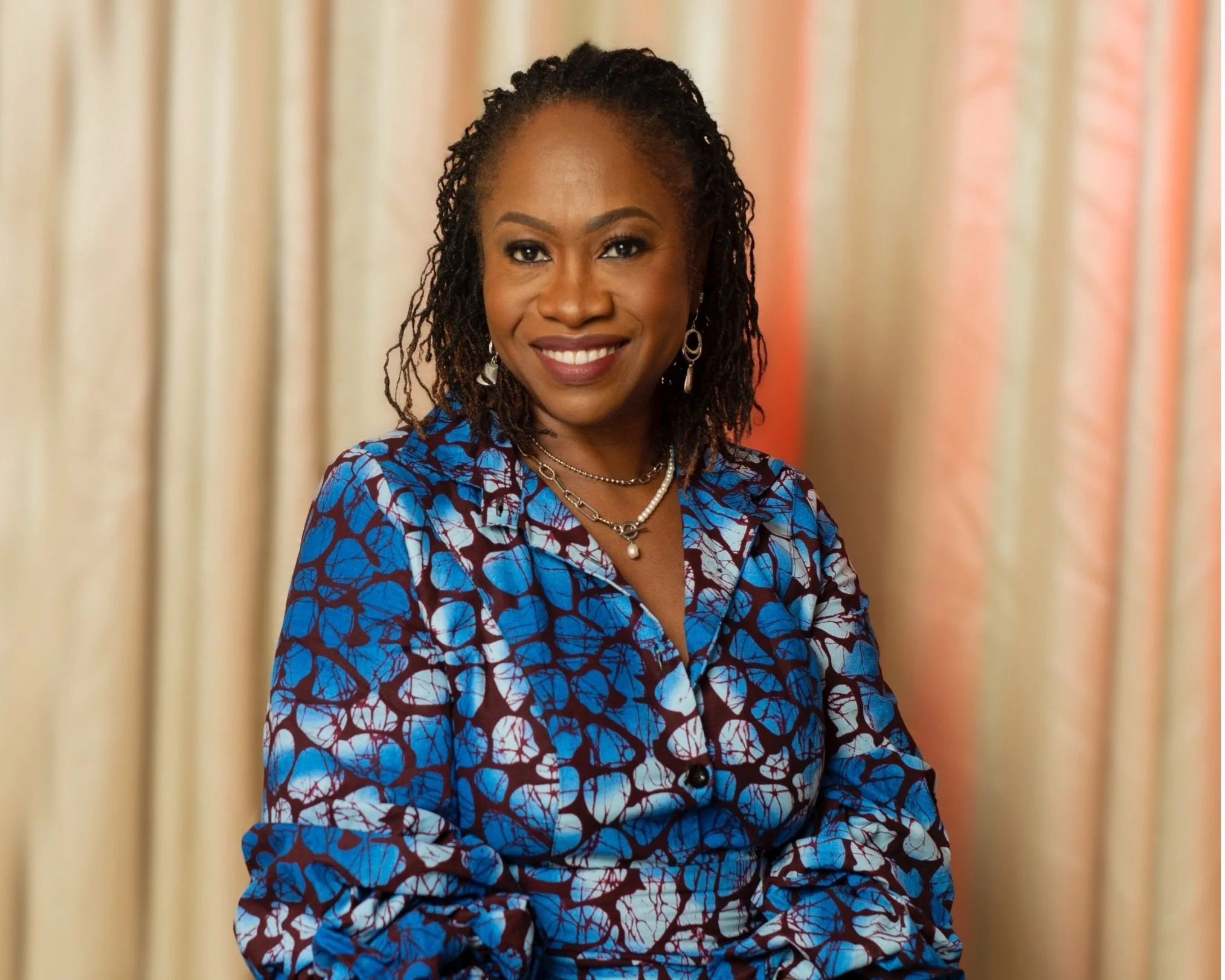
The idea that a powerful leader automatically creates a resilient institution has long shadowed the development of organizations across Africa. Chinwe Effiong warns that this reliance on individual brilliance, rather than robust systems, ultimately leads to fragility and undermines the very institutions they are meant to serve.
Her insights, forged over nearly three decades in government, multinational corporations, and development institutions, pinpoint a core challenge limiting the sustained growth of African entities. This structural bottleneck, she explains, often prevents organisations from scaling and outliving their founders, revealing a deeper systemic issue within leadership models on the continent.
Chinwe Effiong Warns Against Individual Brilliance Over Systems
Across Africa, a reliance on the personal networks and high profiles of founders or CEOs has created a fragile ecosystem. Effiong highlighted how this individual-centric approach means that when a leader departs, the organisation frequently falters. Its decision-making frameworks and core values remain too intertwined with one person’s personality, rather than being embedded in the system itself.
This dynamic often prioritises short-term results driven by individual charisma over the long-term health of the institution. It inadvertently creates a dependency that hinders true institutional growth. Leaders, however brilliant, can inadvertently stunt the development of robust internal mechanisms if all authority and knowledge remain concentrated with them.
Cultivating Enduring Organisations
Organisations that adapt and thrive, even through turbulent transitions, are defined by an intentional cultivation of character and governance, not merely compliance. Effiong underscored that integrity isn’t a liability; it forms the bedrock of operational resilience. These resilient entities understand that a strong reputation is more valuable than immediate gains, a sentiment echoed in Nigerian proverbs.
They foster distributed leadership models, decentralising decision-making rather than hoarding it at the top. This approach ensures that systems, rather than just personalities, guide the organisation through challenges. By institutionalising their core values, these organisations maintain their purpose regardless of who occupies the leadership seat.
Beyond Succession Plans
A succession plan may identify the next person in charge, but it cannot substitute for robust institutional knowledge, shared ownership, or a culture equipped for change. Effiong noted that leadership transitions serve as a true litmus test for an organisation’s underlying strength. If relationships, decisions, and direction vanish with a single individual, it reveals an over-reliance on that person.
Organisations that emerge stronger from such changes are those that have decentralised leadership and cultivated a collective understanding of their larger purpose. This distributed model builds the capacity to sustain momentum beyond any one leader’s tenure. It ensures the organisation itself can carry forward its mission and adapt to new challenges.
Indigenous Strengths in Governance
Exceptional leadership, Effiong observed, often appears where leaders consciously build capacity around themselves. She cited Mutiu Sunmonu’s tenure at Shell Petroleum Development Company as a prime example. His decades-long commitment to mentorship and transparency in a complex environment demonstrated the power of character-driven leadership.
This reflects a culturally grounded leadership style inherent in many African societies. Traditional Nigerian communities, for instance, often root leadership in relational intelligence, community orientation, and coalition-building. Effiong advocates formalising these indigenous strengths into robust governance structures that can outlive any single leader.
This could mean a more collaborative and consensus-driven approach to strategic decision-making, where the collective voice shapes direction. Organisations could learn from traditional community structures that prioritise long-term continuity over individual authority.
Preparing Future African Leaders
Organisations must shift from reactive leadership development to proactive investment in future talent. Waiting until a senior position becomes vacant for leadership training is often too late, Effiong warned. Preparing the next generation requires deliberate, sustained investment.
This means providing younger professionals with meaningful responsibilities, exposing them to critical decision-making processes, offering mentorship, and giving them opportunities to lead long before they earn a title. For Africa, where a youthful population offers a significant demographic advantage, intentionally building this capacity is paramount.
Leadership development should be seen as a long-term investment in an organisation’s continuity and the continent’s future, rather than just an HR function.
Shifting the Leadership Paradigm
The SAGE Centre for Leadership Excellence aims to catalyse a profound shift in how African organisations perceive leadership. Effiong hopes to see a move away from imported, Western-centric models that often fail to resonate locally. Instead, she envisions an embrace and formalisation of indigenous strengths like relational intelligence and community-centered authority.
Her vision for the corporate landscape prioritises ethical conduct and institutional resilience as inextricably linked to corporate success, moving beyond the celebration of individual heroics. The SAGE Centre is developing culturally grounded tools, such as the Sunmonu Leadership Type Indicator (SLTI), to aid this transformation.
By creating collaborative spaces, the Centre seeks to cultivate a new generation of leaders who will uphold integrity as a shared standard for excellence, proving that a good name truly holds more value than fleeting material wealth. This focus on internal, culturally relevant systems aims to create truly resilient institutions for generations to come.
