




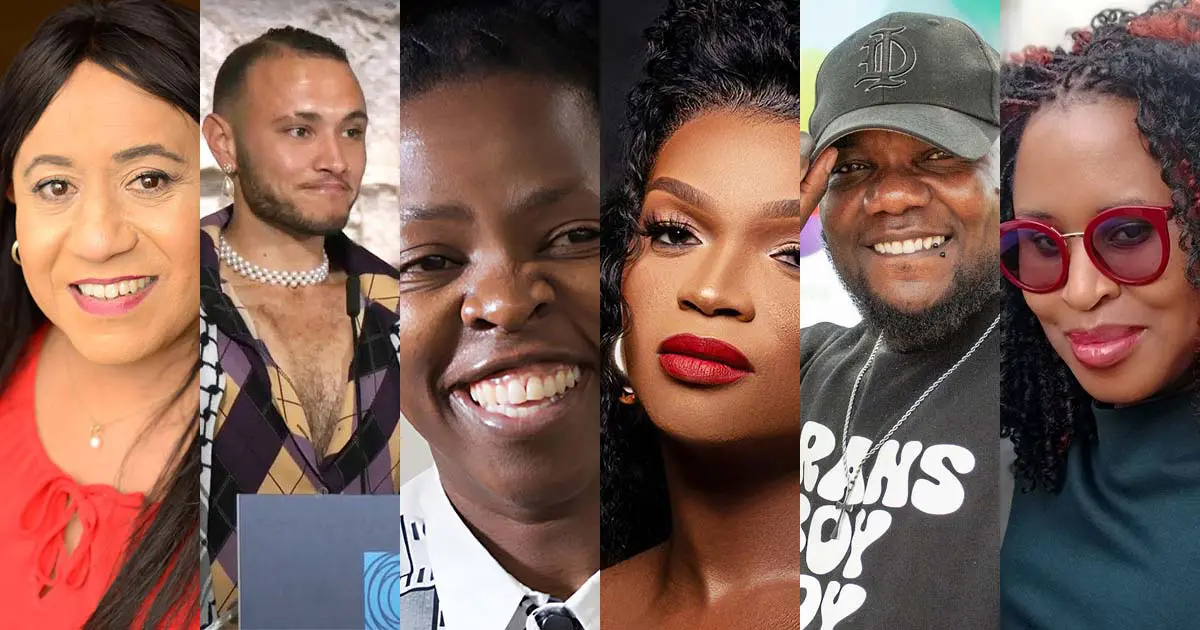
South Africa transgender history reveals that trans and gender diverse people actively shaped the nation’s past for decades, defying colonial myths of modern novelty. This revelation challenged long-held, often Eurocentric, views about gender and sexuality on the African continent.
This historical understanding is crucial for Nigeria, serving as a powerful counter-narrative to colonial impositions that often erased or demonized diverse gender expressions. It urged a re-evaluation of Nigeria’s own past, prompting citizens to question prevailing assumptions that have distorted the nation’s rich social tapestry for too long.
South Africa transgender history beyond western frameworks
The recognition of trans and gender diverse histories in South Africa, extending back many decades before 2023, fundamentally disrupts the narrative that these identities are purely Western imports. Historically, African societies often held more fluid understandings of gender and sexuality than later colonial interpretations allowed.
This historical clarity demonstrated that expressions beyond rigid binaries were indigenous to the continent, interwoven into the social and spiritual lives of communities. It dismantled the idea that such identities arrived with, or were solely influenced by, foreign cultures, confirming a rich, pre-existing social complexity.
Many pre-colonial societies across Africa recognized varied gender identities and roles, often distinct from biological sex. These roles were not seen as anomalies but as integrated components of community life. They contributed to diverse social structures before European arrival.
Pre-Colonial Gender Fluidity
Before the arrival of European colonial powers, numerous African cultures often embraced gender and sexual identities that defied rigid binaries. Social roles, spiritual callings, and even political power were sometimes accessible beyond conventional male/female distinctions. This fluidity was a hallmark of many indigenous belief systems.
For instance, some communities recognized “third genders” or individuals who transitioned roles, holding unique positions in rituals or governance. These were deeply embedded within cultural frameworks, demonstrating a nuanced understanding of human identity. Such practices were not marginal; they were integral to the social order.
This historical context contrasts sharply with the Victorian morality and strict gender norms imposed by colonizers. European administrators and missionaries actively suppressed these indigenous understandings. They often pathologized and criminalized diverse expressions, forcing Western binary systems onto complex African realities.
The imposition of these foreign norms began a long process of erasure. It redefined what was considered “normal” or “acceptable” in terms of gender and sexuality. This colonial influence deeply impacted subsequent generations, creating a narrative that denied Africa’s own diverse past.
A Legacy of Resilience
The enduring presence and societal influence of gender diverse individuals in South Africa represented a profound testament to their resilience and their inherent place within the continent’s diverse social fabric. Their existence challenged the simplistic views often imposed post-colonization, which frequently sought to homogenise and control local social norms.
These individuals continued to live authentically despite increasing pressure and systemic discrimination. Their perseverance highlighted a deep-rooted cultural resistance to externally imposed identities. They often carved out spaces for themselves within communities, maintaining a quiet but persistent presence.
These histories were not anomalies; they were integral parts of how communities functioned, celebrated, and evolved. Examining such historical roles, from Osun River sacred history to political leadership, highlights the depth of African identity. This resilience offers lessons for contemporary movements.
Erasing Diverse Pasts
One major misunderstanding among many readers is the assumption that applying terms like “transgender” to historical African figures is anachronistic. While modern labels did not exist, the underlying experiences of gender diversity did. These experiences were expressed through culturally specific language and social roles.
Colonial powers actively worked to erase these nuances, portraying any deviation from European gender norms as primitive or immoral. This deliberate suppression was a tool of cultural subjugation. It served to discredit indigenous systems and reinforce colonial authority over African bodies and identities.
The absence of explicit historical records, particularly those written by the individuals themselves, further complicated efforts to understand these pasts. Colonial archives often filtered or ignored such realities. This created a biased historical narrative that downplayed or omitted gender diversity entirely.
This erasure left many contemporary Nigerians believing that such identities were entirely foreign to their heritage. It severed a vital link to a more inclusive past. Reconstructing these histories means challenging official narratives and embracing a broader historical lens.
Reclaiming Nigerian Narratives
These South African insights offer a vital mirror for Nigeria, prompting a critical examination of its own pre-colonial past. It encourages Nigerians to consider where diverse gender and sexual expressions may have existed and contributed to societal structures, often obscured by colonial influences and subsequent biases.
For instance, some Nigerian oral histories and traditions hint at gender-fluid spiritual roles or social arrangements that defy simple classification. Investigating these threads can reveal a richer, more complex social history. Like the discussions around female succession in 1100 CE, historical context can reshape present understanding, unveiling forgotten aspects of governance.
By engaging with such historical truths, Nigeria can begin to reclaim a more authentic narrative of its own people. It can move beyond externally imposed definitions of gender and morality, which often misrepresent its diverse heritage. This process is not about importing new ideas but rediscovering old ones.
The Path to Inclusivity
Understanding these historical precedents is not merely an academic exercise; it carries significant contemporary relevance for Nigeria. Acknowledging that diverse gender expressions have always been part of African societies can foster greater inclusivity today. It offers a powerful foundation for human rights advocacy and social acceptance.
This historical lens helps counter the narrative that queer and trans identities are “un-African,” a claim often used to justify discrimination. It roots these experiences firmly within the continent’s own rich heritage. This reframing challenges prejudice and promotes empathy within communities.
Furthermore, recognizing a history of gender fluidity can inform public policy and legal reforms in modern Nigeria. It can promote a more just and equitable society by drawing on indigenous wisdom rather than solely colonial legacies. This approach respects the full spectrum of Nigerian identity.
It also empowers marginalized communities by validating their existence through historical recognition. When people see their identities reflected in their nation’s past, it strengthens their sense of belonging and cultural pride. This historical truth provides a powerful argument against contemporary erasure.
A Richer African Identity
Embracing these historical realities, as highlighted by discussions in 2023, ultimately leads to a more nuanced and accurate understanding of African identity as a whole. This deeper appreciation moves beyond narrow, imposed definitions. It celebrates the continent’s true social complexity, echoing the struggles and triumphs of figures like Chief Oshodi Tapa in shaping modern Lagos.
Nigeria, like South Africa, holds a rich history of varied human experience. Recognising this past is essential for fostering a more inclusive and truthful vision for the future. It empowers the nation to tell its own stories, free from external impositions. This journey enriches the entire African continent.
