



Most Nigerians believed NAFDAC’s battle against fake drugs was a recent challenge, but the agency had waged a multi-decade war against deeply entrenched, unregulated drug markets since the 1990s. In November 2023, Professor Mojisola Adeyeye, Director-General of the National Agency for Food and Drug Administration and Control (NAFDAC), reassured the nation of NAFDAC’s continuous efforts to stem the tide of these dangerous products.
Her assurance came as the agency intensified operations across the country, leading to billions of naira in seized and destroyed counterfeit goods. This persistent struggle revealed how porous borders and fragmented distribution systems allowed illicit drugs to flourish, undermining public health and legitimate pharmaceutical practices for years.
Enduring battle how nigeria faces health threats
The problem of substandard and falsified (SF) medicines had plagued Nigeria for decades, turning life-saving drugs into instruments of harm. By the early 2000s, some reports suggested that over 40% of drugs in Nigeria were fake or substandard. These dangerous products contributed to increased hospital admissions, prolonged illnesses, and even death, eroding public trust in the healthcare system.
Unregistered drug sellers often operated outside any regulatory oversight, selling expired or improperly stored medications. This chaotic distribution system allowed unauthorized individuals to handle specialized commodities in open markets, on streets, and in motor parks. The public paid a steep price for this lack of regulation, with countless lives affected by drug resistance and treatment failures for critical ailments like malaria and hypertension.
NAFDAC’s Multi-Faceted Counter-Offensive
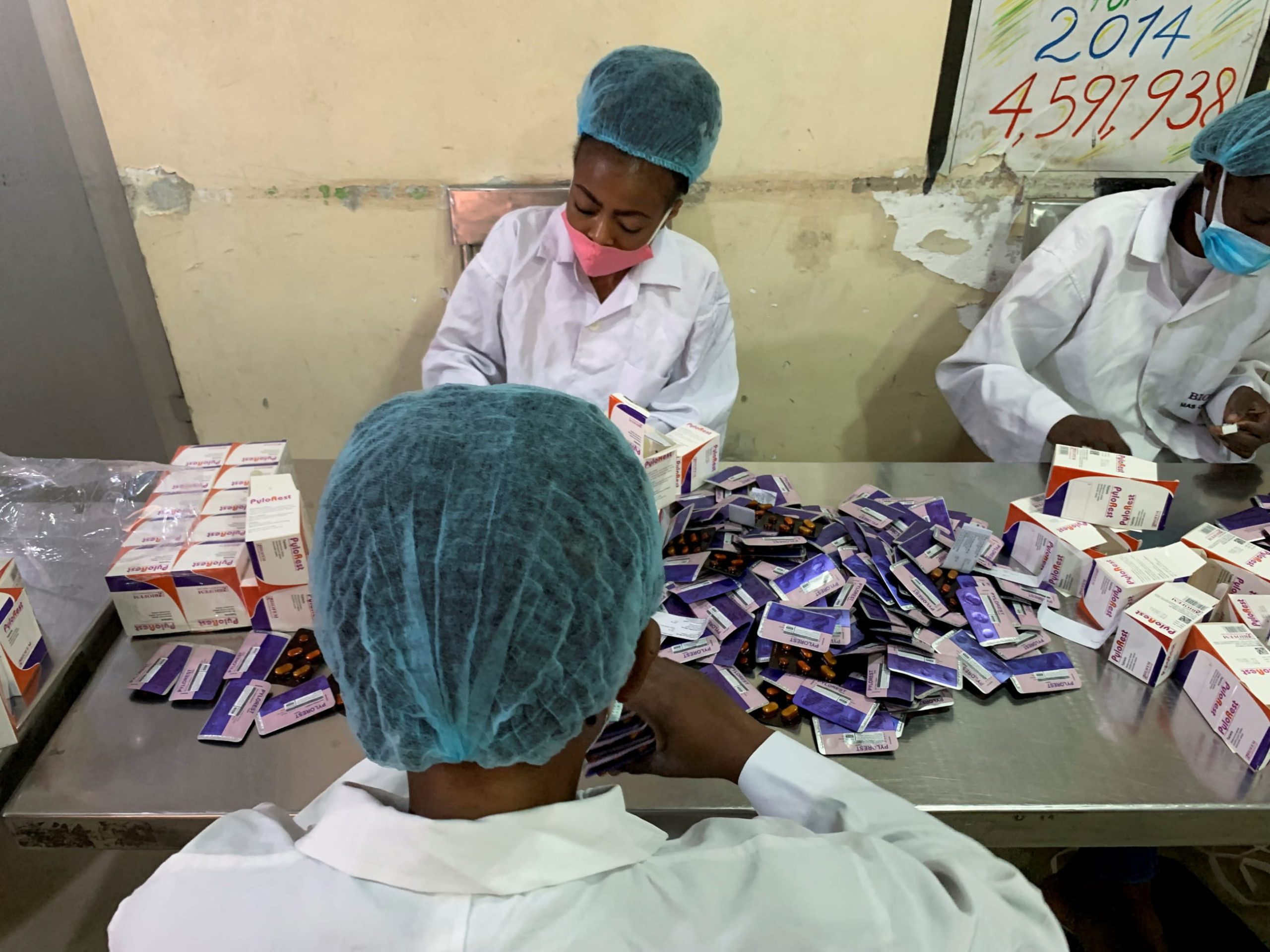
NAFDAC responded with a comprehensive strategy, blending aggressive enforcement with financial penalties and public awareness campaigns. Between January and August 2026 alone, NAFDAC conducted 5,542 enforcement activities, including 213 raids. These operations resulted in 821 product seizure entries and the closure or sealing of 179 premises across the country.
The agency also arrested 52 suspects during this period. These efforts were part of a broader, sustained push against illicit drug trade. NAFDAC also focused on increasing public awareness about the dangers of counterfeit medicines and the importance of purchasing drugs from reputable outlets. Nigerian police chief Eugene Keazor would have understood this relentless pursuit of lawbreakers.
Targeting Major Drug Hubs
Significant operations targeted major open drug markets in Idumota (Lagos), Aba, and Onitsha. These markets were notorious for distributing over 80% of the nation’s medications, both legitimate and illicit. A covert operation, planned for over a year and involving 1,300 security personnel, shut down more than 11,000 shops nationwide.
The raids seized an astonishing 77 truckloads of illicit and counterfeit drugs: 27 from Idumota, 30 from Onitsha, and over 20 from Aba. These operations uncovered expired and unapproved drugs, alongside appalling storage practices, such as vaccines stored at room temperature. The cost of destroyed unsafe products between January and August 2026 alone reached N22.73 billion.
The agency also generated approximately N2.5 billion (roughly N2.537 billion) from charges collected during enforcement actions in these three markets. Despite this revenue, the operations were costly, with NAFDAC spending about N996 million and borrowing N159 million from an existing grant to fund the scale of the crackdowns. This demonstrated the immense financial commitment required to fight this pervasive issue.
A Decades-Long Scourge: Nigeria’s Battle Against Counterfeits
The fight against fake drugs was not new to Nigeria; it was a battle waged for decades. The problem gained significant notoriety in the late 1970s and 1980s, fueled by weak regulation and porous borders. By the early 2000s, the situation was dire, with estimates suggesting a staggering percentage of drugs in circulation were either fake or substandard.
Under previous leadership, notably Professor Dora Akunyili, NAFDAC made significant strides, reportedly reducing the prevalence of counterfeit medicines from 40% in 2001 to 16.7% by 2005. This historical context underscored the cyclical nature of the challenge, where periods of intense crackdown were often followed by renewed infiltration.
The agency’s efforts were a continuous struggle against a deeply entrenched criminal enterprise, much like the complex international efforts led by a Nigerian general in peacekeeping missions.
Beyond Enforcement: Systemic Hurdles and Regulatory Evolution
NAFDAC’s strategy extended beyond raids and seizures; it involved tackling systemic issues. The agency deployed technological solutions like the Mobile Authentication Service (MAS), launched in 2010, allowing consumers to verify drug authenticity via SMS. Handheld TruScan devices also enabled on-the-spot detection of counterfeit medicines, empowering field agents.
However, porous borders remained a critical vulnerability, facilitating the unchecked entry of illicit products. Professor Adeyeye consistently highlighted this challenge, advocating for increased manpower and inter-agency collaboration at border points. The agency also participated in international operations like PANGEA, targeting illicit online pharmacies and postal system smuggling.
The deregulation and politicization of patent medicine dealers in earlier eras contributed significantly to the proliferation of unregulated open drug markets. NAFDAC actively pushed for the relocation of these markets to Coordinated Wholesale Centres (CWCs), where better oversight and regulation could be enforced.
A landmark Kano court ruling in February 2024 supported this crucial move, providing legal backing for the transition. This shift represented a fundamental change in how Nigeria managed its drug distribution, a transformation as significant as industrial advancements seen during a Nigerian chief’s visit to a British car factory in 1966.
Persistent Challenges and Future Outlook
Despite these significant victories, NAFDAC faced persistent challenges. Porous borders continued to facilitate the smuggling of counterfeit drugs into Nigeria. Professor Adeyeye advocated for stiffer penalties, including life imprisonment or the death penalty, for manufacturers and dealers of counterfeit products, describing them as “silent killers.”
Another major hurdle was the sheer number of shops operating without proper registration from the Pharmaceutical Council of Nigeria. Many were simply illegal. NAFDAC supported relocating open drug markets to Coordinated Wholesale Centres (CWCs) where regulation could be more effective. A Kano court ruling in February 2024 supported this move, offering a potential path forward.
NAFDAC’s sustained efforts, despite financial and logistical constraints, reflected a growing political will to support its mission. The agency’s commitment to strengthening Nigeria’s food and drug regulatory systems was evident, achieving Maturity Level Three of the World Health Organisation (WHO) classification for medicines and imported vaccines.
This long-term engagement underscored Nigeria’s ongoing commitment to safeguarding its citizens from a hidden enemy that had lurked in its medicine cabinets for decades.
