



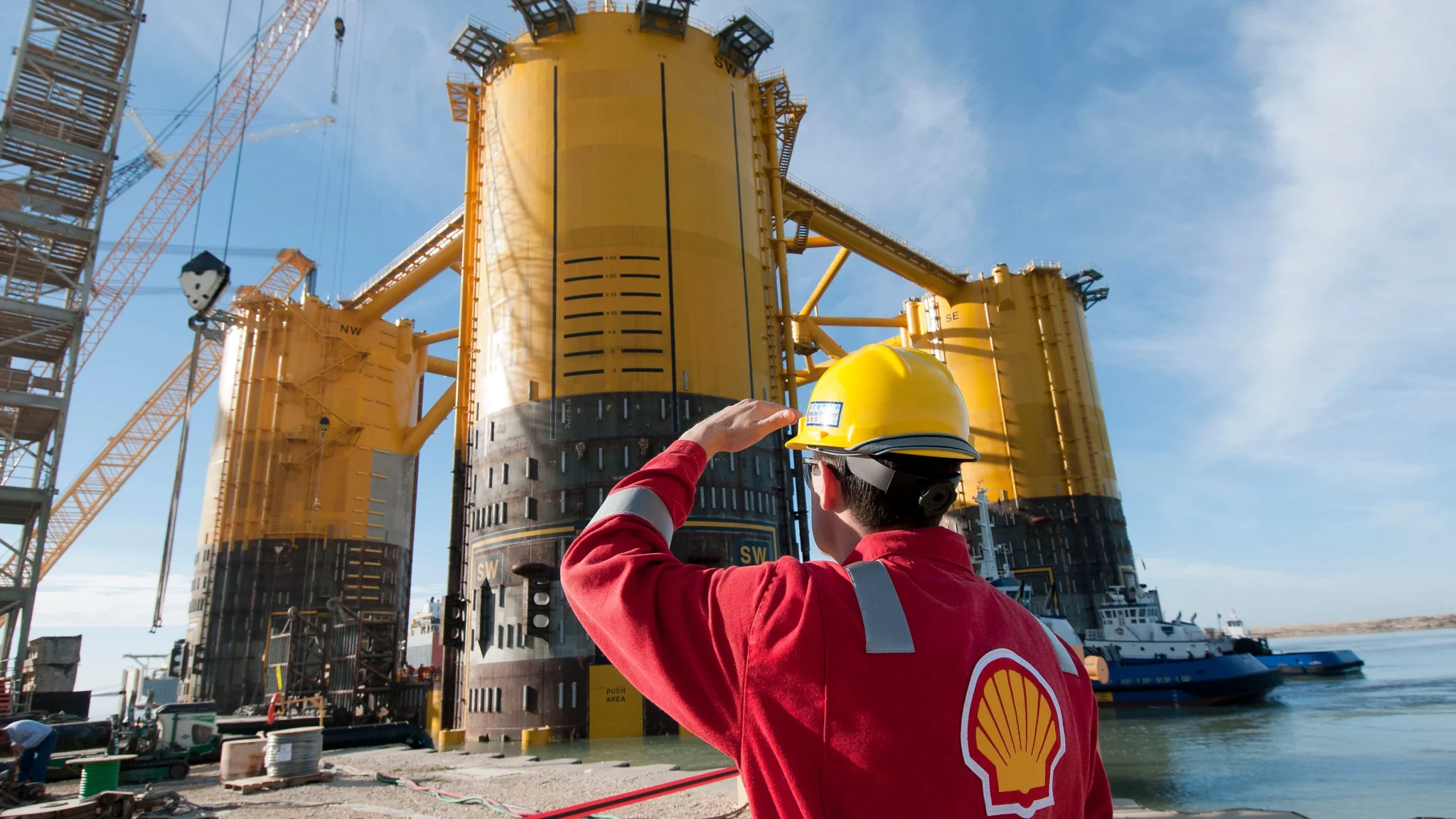
For nearly two decades, the Bonga Southwest Aparo deepwater oil project sat dormant, a ghost of Nigeria’s untapped potential.
But now, in a decisive move, President Bola Tinubu has approved an enhanced tax incentive for Shell Plc, aiming to finally unlock an estimated $20 billion in foreign direct investment and significantly boost the nation’s crude oil production.
The deepwater dream that almost died
It’s a high-stakes gamble to reignite a sector critical to Nigeria’s economic future, a story as old as the nation’s oil history itself.
This approval, confirmed by Bloomberg on Tuesday, July 14, 2026, signals a renewed push by the Nigerian Federal Government to restore investor confidence in a petroleum industry often bogged down by policy uncertainties.
The concession for Shell Plc and its subsidiary Shell Nigeria Exploration and Production Company Limited (SNEPCo) focuses on a per-barrel fiscal rebate, known as a production-linked tax credit, set to remain active until at least 2029.
The Bonga Southwest Aparo project, located offshore Nigeria in the Gulf of Guinea’s OML 118, has been a source of both hope and frustration. Technical complexities combined with a fiscal regime considered unattractive by international oil companies left this lucrative venture on hold for far too long.
Developing oil fields thousands of metres beneath the ocean surface demands enormous capital outlays and highly specialized technology. Without robust assurances of commercial viability, companies like Shell simply can’t commit the billions required to bring such projects to fruition. Past fiscal terms hadn’t offered that certainty, leaving Nigeria’s deepwater wealth largely inaccessible.
The challenging economics of offshore oil
Extracting crude from Nigeria’s deepwater reserves is a monumental undertaking. It means deploying advanced infrastructure, maintaining complex operations, and managing risks that are far greater than onshore drilling. These significant upfront expenditures and ongoing operational costs mean deepwater projects often need attractive tax incentives to compete for global investment dollars.
For Nigeria, jumpstarting these projects isn’t just about raw production figures. It’s about leveraging its proven reserves in a global energy market constantly in flux. Securing these revenue streams now could prove vital for the nation’s financial stability in the coming years.
President Tinubu’s strategic push for investment
President Bola Tinubu’s approval of these enhanced fiscal terms represents a clear directive to revitalise Nigeria’s energy sector. The new production-linked tax credit, a per-barrel rebate applied against an operator’s tax liability, is designed to sweeten the deal for deepwater investments.
This wasn’t a quick decision. Months of negotiations involved key figures like Olu Verheijen, Special Adviser to the President on Energy, and Wael Sawan, Chief Executive Officer of Shell Plc. Representatives from the Nigerian National Petroleum Company Limited (NNPCL) and the Nigeria Revenue Service (NRS) also played crucial roles in crafting the agreement.
Rebuilding trust in Nigeria’s oil sector
Nigeria has long contended with a reputation for policy inconsistency and regulatory hurdles, factors that have often deterred foreign capital. This approval for the Bonga Southwest Aparo project is a tangible step towards reversing that perception. It demonstrates a government willing to adapt its policies to attract the investment Nigeria desperately needs to bolster its economy.
This specific agreement could well pave the way for other international oil companies to reconsider their deepwater investment plans in Nigeria. Such a shift could unlock billions more in crucial foreign direct investment, proving that a pragmatic approach can yield significant results.
Shell Plc’s commitment and the path to production
For Shell Plc, this incentive breathes new life into a project that has been a strategic focus for years. The direct involvement of Shell CEO Wael Sawan in the negotiations underscores the Bonga Southwest Aparo project’s importance to the global energy giant.
The immediate next step for Shell and its partners involves moving towards a Final Investment Decision (FID). This decision, when made, aims to attract the $20 billion capital, a crucial step towards bringing the long-delayed deepwater field into full operation.
Boosting Nigeria’s crude oil output
While specific production targets for Bonga Southwest Aparo haven’t been publicly detailed with this announcement, the project is known to hold substantial reserves. Bringing it online would significantly contribute to Nigeria’s ambition to increase its crude oil output, helping the nation meet its OPEC quotas and stabilise foreign exchange earnings.
The incentive until at least 2029 offers a stable framework for Shell to execute this massive undertaking, ensuring a more predictable return on investment.
Nigeria’s history, unfortunately, is littered with instances where political dynamics have complicated economic decisions. Ensuring stability for this project will be key to its long-term success. It’s a stark reminder that continuity often matters more than initial grand pronouncements.
The enduring history of Nigeria’s resource struggle
Nigeria’s narrative has always been intertwined with its oil wealth, a story often marked by cycles of boom and bust, and intricate relationships with multinational corporations. Decisions like the Bonga tax incentive echo past attempts by various Nigerian governments to balance the urgent need for national revenue with the imperative to attract and retain foreign investment.
From the earliest days of oil exploration to the present, the terms of engagement between the state and oil companies have been a constant point of negotiation, and sometimes, contention. Crafting agreements that genuinely stimulate investment without compromising future generations’ share of national wealth has always been the central challenge.
Lessons from past fiscal concessions
Previous administrations have offered a range of incentives to keep the oil flowing, often learning hard lessons about the long-term impact on the nation’s resources. The challenge has consistently been to devise deals that attract crucial foreign capital while still ensuring equitable benefits for Nigerians.
This current move by President Tinubu’s administration reflects a pragmatic understanding of global competition for capital in a highly specialized industry. But it also surfaces a familiar question: how effectively will these short-term gains translate into sustainable economic development for the millions of Nigerians who depend on the prudent management of their nation’s resources?
The enhanced tax incentive for Shell’s Bonga Southwest Aparo project is more than just an oil deal. It’s a contemporary chapter in Nigeria’s enduring story of navigating its vast natural resources, a story where the choices made today will undoubtedly shape the nation’s destiny for years to come.
Nigeria has learned, sometimes painfully, that today’s headlines are often just yesterday’s history repeating itself, demanding vigilance and foresight.
