




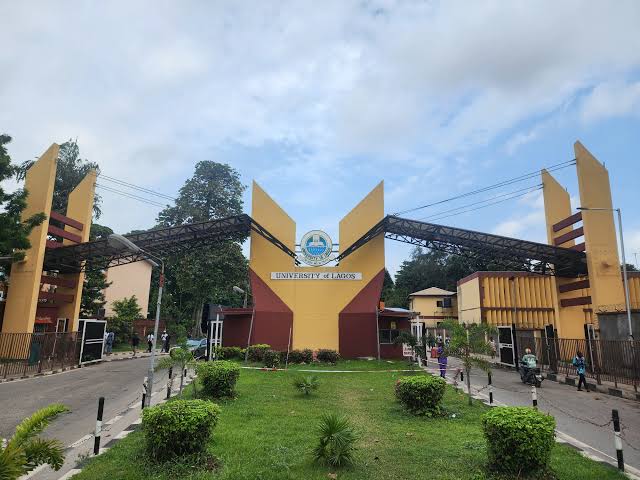
The University of Lagos, established in 1962, just two years after Nigeria gained independence, was envisioned as a cornerstone of national development. Despite this grand post-colonial aspiration, the institution immediately faced a fierce, unexpected battle for basic survival. Its founding years were fraught with critical, deep-seated challenges.
Nigeria, eager to cultivate a skilled professional workforce, recognized higher education as indispensable for its future. UNILAG was designed to be central to this ambitious national project. Yet, the nation’s noble dream quickly collided with the harsh realities of resource scarcity, typical for a newly independent state.
Financial and Infrastructure Gaps at the University of Lagos
These foundational struggles profoundly shaped the university’s early trajectory and its subsequent character. They also highlighted a persistent truth about the immense difficulty of institution-building in newly independent Nigeria. Understanding these formative hurdles offers a crucial lens into the nation’s broader developmental path.
From its very inception, the University of Lagos grappled with severe financial constraints. Inadequate government funding meant the nascent institution operated on a perpetually strained budget. This severely limited its ability to implement academic programs or procure essential equipment, hindering its ambitious mission.
Critical infrastructure was another major, immediate hurdle. The university desperately lacked sufficient classroom blocks, adequate lecture halls, and basic student accommodation. Professors often worked with rudimentary resources, in stark contrast to Lagos’s historical figures who carved their own paths. Students frequently endured overcrowded conditions.
Attracting and, more importantly, retaining qualified academic staff proved exceptionally difficult. Many experienced scholars were understandably hesitant to join a new university with uncertain operational prospects and inadequate facilities. This created a significant void in vital academic leadership and teaching capacity, impacting educational quality.
A Mandate Under Threat
These deep-seated foundational issues directly impacted UNILAG’s ambitious academic programs. The comprehensive curriculum envisioned at its founding struggled significantly to take firm root. Practical instruction and laboratory work often suffered from an acute lack of necessary equipment and properly furnished spaces.
The university’s primary mandate — to produce highly skilled graduates capable of driving national progress — was severely threatened. Students navigated suboptimal learning environments, often enduring overcrowded conditions, which sometimes compromised their educational experience. This challenging period intensely tested the resolve of both students and early administrative teams, echoing the reshaping of institutions during earlier colonial eras.
The very quality of education became a concern. Without adequate resources, UNILAG risked failing its students and, by extension, the nation that so desperately needed its output. This early struggle was a stark reminder of the long road ahead for Nigeria’s educational aspirations.
Navigating Political Scrutiny and Shifts
UNILAG’s location in Lagos, the then-federal capital, placed it directly in the national spotlight. This meant intense political scrutiny and, at times, direct interference in its affairs. The volatile political climate of the 1960s often spilled into the university environment, creating additional layers of complexity.
Leadership appointments and institutional policies often became subject to political maneuvering. This dynamic could disrupt administrative stability and academic autonomy, diverting vital energy from core educational goals. Such external pressures added significantly to the young university’s burden.
The university often found itself caught between the demands of academic independence and the political realities of a new nation forging its identity. Navigating these turbulent waters required immense diplomacy and resilience from its nascent leadership.
Fostering Resilience and Growth
Despite these immense operational pressures, the University of Lagos’s early administrators fought tirelessly for its survival. They persistently lobbied the government for increased financial allocations and structural support. They also actively sought crucial partnerships and vital donations from both local and international bodies.
The Nigerian government, recognizing the University of Lagos’s pivotal role in national aspirations, eventually responded with increased support. Investments in essential infrastructure gradually began to improve facilities across the campus. Policies aimed at faculty recruitment slowly but surely bore fruit, stabilising academic departments.
These efforts were not immediate fixes but a sustained campaign. The gradual injection of resources and strategic leadership helped UNILAG to slowly overcome its initial structural deficits. This commitment ensured the institution could begin fulfilling its promise to the nation.
Forging a Foundation for Excellence
Even amidst these formidable early challenges, UNILAG began laying the groundwork for its future academic strength. Dedicated faculty members, despite limited resources, maintained high academic standards. They instilled a culture of rigorous inquiry and intellectual pursuit among students.
The university cultivated influential early academic programs that would later become hallmarks of its reputation. This commitment to quality, even in adversity, helped attract talented students and staff. It slowly carved out a niche for UNILAG as a serious academic institution within Nigeria.
This early resolve contributed significantly to UNILAG’s eventual emergence as a leading educational body. Its strong foundation, built in challenging times, underpins its present standing among the strongest in the Nigerian university system and its prominent feature in global research rankings.
A Testament to Nigerian Endeavor
The University of Lagos’s early, often harrowing, years showcased the profound resilience required to build lasting national institutions. It revealed the sheer scale of the challenge in creating world-class education from scratch in a young nation. This narrative was, in many ways, emblematic of numerous public works projects across post-independence Nigeria.
UNILAG’s journey from a struggling startup to a prominent, respected institution underscores the deep determination embedded within Nigeria’s developmental path. Its challenging history reflects the nation’s ongoing quest for progress, often against formidable and persistent odds. It highlights that true institutional strength is forged through overcoming adversity.
