




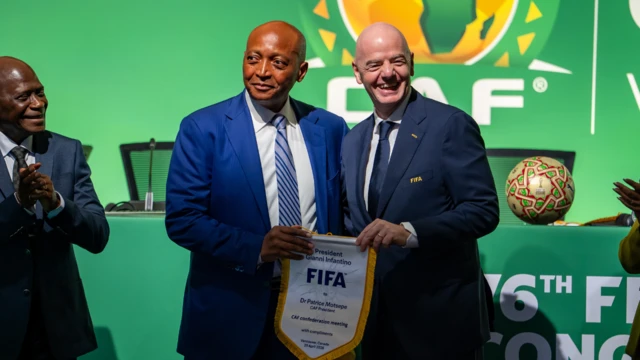
African football federations threw their collective weight behind Gianni Infantino during FIFA’s tumultuous 2010s sell-off scandal. Their unified bloc of votes proved instrumental in his ascent to the presidency. This strategic support, given amid widespread global controversy, solidified his position, yet the true beneficiaries for lasting Nigerian football development remained elusive.
Infantino, then a UEFA secretary general, navigated FIFA’s leadership crisis. He promised reform and stability in a football world reeling from unprecedented corruption charges. African votes were a critical currency in that volatile political landscape, offering him the decisive edge needed to secure power.
African Football Federations and a FIFA in Crisis
Federations across the continent delivered the support he needed. They expected a reciprocal investment in African football’s future. This presented an unparalleled opportunity to demand tangible, structural improvements across the continent.
The 2010s brought FIFA to its knees. Indictments and arrests rocked the global football body, leading to the dramatic downfall of longtime President Sepp Blatter. This created a significant power vacuum, making the search for a new leader a high-stakes affair.
Amidst this upheaval, candidates vying for the top job desperately needed broad support. The collective voting power of African nations, represented by the Confederation of African Football (CAF), became indispensable. This bloc could make or break any presidential bid.
African football had long grappled with its own internal challenges. Persistent issues included inadequate infrastructure, limited financial resources, and calls for greater transparency. The FIFA election offered a chance to address some of these deep-seated problems.
The Promise of Reform for African Football
Gianni Infantino understood the strategic importance of the African vote. His campaign pledges often highlighted increased funding for development projects and greater representation for African voices within FIFA structures. These promises resonated deeply across the continent.
He presented himself as a reformer, a departure from FIFA’s scandal-ridden past. This image of fresh leadership appealed to many African football federations. They sought stability and a clear path forward for their domestic leagues and national teams.
The support from African federations was not simply a matter of shared vision. It reflected a calculated political gamble. They hoped their unified backing would translate into concrete benefits for their football ecosystems, laying groundwork for future success.
African Football’s Uncharted Political Leverage
The African football federations possessed immense, if often untapped, political muscle. Uniting behind a single candidate for FIFA president demonstrated a level of continental cohesion rarely seen on such a grand scale. This move underscored their collective agency.
This unique position could have been leveraged far more strategically. The moment presented an opportunity to secure long-term, binding commitments for infrastructure development. Such global controversies often open windows for significant political gains.
Instead of short-term gains or individual perks, federations could have insisted on fundamental changes. They might have pushed for robust youth development programmes, similar to those thriving in European nations. The potential for systemic transformation was enormous.
Missed Opportunities for Nigerian Development
Nigerian football, a continental powerhouse, stood to gain significantly. It could have pressed for major upgrades to its academies, coaching pathways, and referee development programs. These foundational improvements were critical for sustained excellence.
Imagine, for example, FIFA-funded mandates for modern training facilities in every geo-political zone of Nigeria. Or a comprehensive overhaul of grassroots football funding models. Such demands were well within the realm of possibility, given the political capital Nigeria and its peers wielded.
The chance for lasting infrastructure, transparent governance, and equitable distribution of resources often slipped by. This alliance, while securing a president, did not fully secure Nigeria’s long-term footballing future in the way it could have. Its potential for deep governance reforms remained largely unrealised.
The Legacy of a Pivotal Alliance
Gianni Infantino’s presidency did see an increase in financial disbursements to national associations. FIFA’s Forward programme channeled funds to various member federations, including those in Africa. This provided some welcome financial relief.
However, the question of whether these funds truly translated into transformational development remains open. Critics often pointed to a lack of stringent oversight. The impact on foundational issues like elite youth training or sustained league development was not always clear.
The African federations had a unique window to reshape the future of their sport. They secured a leader, but many argue they did not fully capitalise on the moment to secure truly systemic change. The strategic vision for converting political power into tangible, continent-wide progress proved challenging.
The Enduring Question: Forward, But For Whom?
The saga of African federations backing Infantino reveals the complexities of international sports politics. Loyalty in these arenas often comes with unspoken expectations. But converting political capital into widespread, concrete benefits requires sustained, coordinated effort.
For Nigerian football, the lessons are clear. Future alliances on the global stage must be meticulously planned. They must include explicit, measurable commitments for development, not just general promises. This history underscores the need for clear strategic objectives.
The enduring challenge remains: how to convert political influence into sustainable improvements for its players and fans. The experience of past FIFA alliances illustrates this complex dilemma. Loyalty was given, but its potential for profound local impact was never fully realised.
