




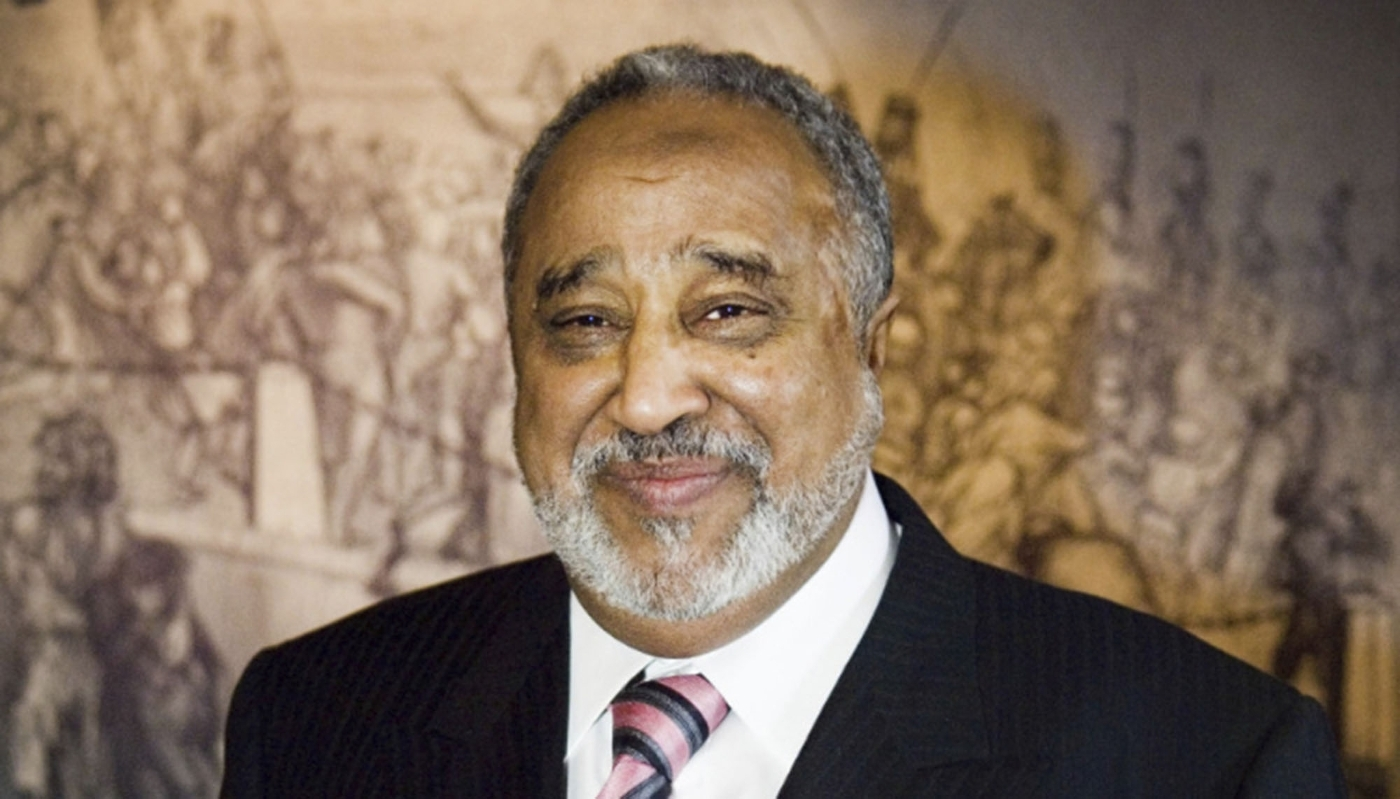
It began in 2008 with a promise that felt as vast and fertile as the land itself. In the western Ethiopian region of Gambella, a multi-billion-dollar project spearheaded by the Saudi-Ethiopian billionaire Sheikh Mohammed Al-Amoudi was set to transform 10,000 hectares of supposedly underutilised land into a thriving rice plantation.
His company, Saudi Star Agricultural Development Plc, envisioned a modern agricultural marvel that would bolster food security for Saudi Arabia and bring prosperity to Ethiopia.
Saudi billionaires Ethiopian dream
But today, more than fifteen years later, the fields lie mostly empty. The grand irrigation canals are flawed, expensive machinery rusts under the sun, and the promise of wealth has evaporated into dust.
The story of the Saudi project in Ethiopia is not just about a failed investment; it is a cautionary tale of ambition, miscalculation, and the human cost of development that ignores the people it claims to help.
An examination of the project reveals a cascade of failures, from environmental and engineering blunders to deep social and security crises.
The project’s origins lie in the global food price crisis of the late 2000s. Spikes in the cost of essential grains sent shockwaves through import-dependent nations, particularly the wealthy but arid Gulf states.
In response, Saudi Arabia launched the King Abdullah Initiative for Saudi Agricultural Investment Abroad, encouraging its billionaires to acquire fertile land overseas to secure the kingdom’s food supply lines. Sheikh Mohammed Al-Amoudi, an Ethiopian-born tycoon with a 2026 net worth of $9.3 billion, answered the call.
The Ethiopian government, for its part, was eager to attract foreign capital. In 2010, it formalised a plan to lease 3.3 million hectares of land for commercial farming, hoping to generate export revenue, create jobs, and modernise its agricultural sector. Al-Amoudi’s Saudi Star became the flagship investor.
In March 2011, the company announced a staggering plan to invest $2.5 billion by 2020. The vision was clear: Ethiopian land and labour would feed Saudi Arabia.
On paper, the partnership seemed logical. Saudi Star, under Al-Amoudi’s conglomerate MIDROC Group, possessed the capital. Ethiopia possessed the fertile land and water, particularly along the Alwero River in Gambella. The government offered huge tracts of land at what seemed like bargain prices. But this grand vision, built in boardrooms in Addis Ababa and Riyadh, failed to account for the complex realities on the ground.
Cracks in the master plan
The project began to unravel almost as soon as it started. Early environmental studies were tragically flawed. They underestimated the region’s irregular rainfall, which made the use of heavy-duty mechanised harvesters a constant struggle. They also greenlit an irrigation design based on submerged paddy fields that proved completely unworkable and had to be shelved.
The plan then shifted to expanding a network of Soviet-era canals connected to the Alwero Dam.
This, too, was a disaster. The engineering was shoddy and maintenance was inconsistent, rendering the network largely ineffective. Crops were starved of water at critical growth stages. Compounding the operational woes was a volatile security situation. The company’s compound was heavily guarded by Ethiopian soldiers, a sign of the tension surrounding the project.
In a shocking incident in April 2012, gunmen attacked a convoy, killing two Pakistanis and three Ethiopians working on the irrigation canal.
Leadership churn added to the instability. The original CEO, Haile Assegide, a former government minister, was replaced in October 2014 by Jemal Ahmed, the Chief Executive of the wider MIDROC Investment Group. In December 2014, Ahmed announced a $100 million injection to restart the stalled project, but it was too little, too late.
The fundamental problems remained unsolved. By 2016, a Financial Times report noted a stark fact: not a single grain of rice had been exported to Saudi Arabia.
The human cost of empty promises
The most devastating legacy of the Saudi Star project was its impact on the local population. The land leased to the company was the ancestral home of the indigenous Anuak and Nuer agrarian communities. These groups were systematically relocated by the government in a process known as “villagisation.” They were told the new mega-farm would bring them jobs, schools, clinics, and wealth.
None of it materialised. Instead of prosperity, the Anuak and Nuer people found themselves displaced from the land that had sustained them for generations. The promised social infrastructure never arrived, leaving communities stranded and impoverished. This dispossession created deep-seated resentment that periodically flared into violence, contributing to the project’s instability.
The failure to engage with the local population, understand their connection to the land, and provide tangible benefits created an environment of hostility that no amount of investment could overcome.
This dynamic is not unique; similar tensions can be seen in Nigeria where community engagement often becomes a critical factor in the success or failure of large-scale projects, sometimes even requiring innovative approaches like using the Nigerian street theatre to bridge gaps.
A landscape of rust and regret
As of August 2026, the Gambella project site is a monument to failed ambition. An investigation revealed vast tracts of idle land, with expensive farming equipment rusting in the open. The promised transformation never came. The government in Addis Ababa has shown its displeasure, though its actions have been focused elsewhere.
In October 2018, it revoked leases on 55 hectares of land held by Al-Amoudi’s MIDROC in the capital city for failure to develop them, a sign of waning patience with the billionaire’s unfulfilled promises.
In March 2026, the Gambella Regional State Investment Commission, under Commissioner Lou Obup Opiew, was reportedly pressing Saudi Star for a renewed plan to revive the operation. Yet, with over 15 years of failure and no tangible output, it’s hard to see what could change.
The project stands as a colossal failure, a multi-billion-dollar lesson written in red dust and rusting steel.
The goal of using technology to increase efficiency, a key driver in modern development as seen in how AI boosts Nigeria Customs revenue, was completely undermined by a failure to understand the basics of the local environment and society.
The story of Saudi Star in Ethiopia is a powerful case study for any nation, including Nigeria, looking to foreign investment as a panacea for development. It demonstrates that capital and technology alone are not enough.
Without proper oversight, a deep understanding of local environmental and social conditions, and a genuine commitment to sharing benefits with host communities, even the most well-funded projects are destined to fail.
This is a crucial lesson in a world still grappling with how to build sustainable economic models, whether through large foreign direct investments or by fostering indigenous systems like the famed Igbo apprenticeship system.
The fields in Gambella remain stubbornly empty, a silent testament to a dream that withered on the vine. The massive promises have left behind only a legacy of displacement and disillusionment, a stark reminder that the earth does not yield its bounty to those who fail to respect it and its people.
