




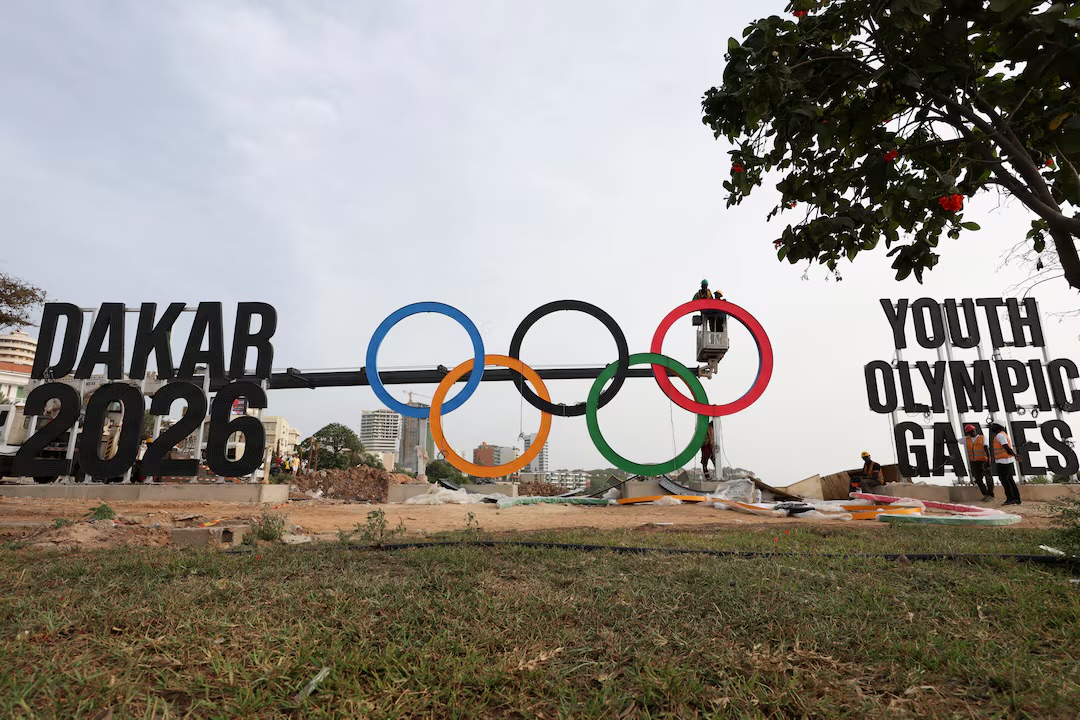
In 2026, Dakar, Senegal, hosted the IV Summer Youth Olympic Games, the first Olympic event held on African soil.
This pioneering event was more than just a competition; it symbolized Africa’s growing capacity and ambition on the international stage. The scale of the Dakar 2026 Olympic Games demonstrated a continent ready to embrace and execute world-class events, inspiring a new generation of athletes and leaders across nations. It was a powerful statement of capability, shifting perceptions of African prowess and organizational might.
A landmark for the Dakar 2026 Olympic Games
The successful staging of Dakar 2026 undeniably positioned Africa as a formidable contender for major international sporting events. It challenged previous assumptions about the continent’s infrastructural and logistical capabilities. The Games were a declaration, broadcast globally, that Africa could deliver on the grandest stages.
Kirsty Coventry, the Zimbabwean champion swimmer and President of the International Olympic Committee (IOC) as of 2025, played a pivotal role in this historic moment. She became the first woman and first African to hold this esteemed position, embodying Africa’s rising leadership in global sports governance. Her influence underscored the continent’s increasing impact on the Olympic movement.
The Youth Olympic Games Vision
The Youth Olympic Games (YOG), organized by the International Olympic Committee, featured a diverse program across 25 disciplines, mirroring the full Olympic Games but tailored for younger competitors. Athletes aged 14 to 17 participated, showcasing talent and embracing Olympic values that balanced sport with education and culture. This dual focus aimed to create well-rounded individuals.
New sports like Baseball5, a fast-paced urban take on baseball, and Wushu Taolu, a Chinese martial art, debuted, reflecting a dynamic and evolving sporting world. These innovations highlighted the YOG’s role in pushing athletic boundaries and engaging youth through modern disciplines.
Kenyan marathon legend Eliud Kipchoge, a Dakar 2026 Global Ambassador, also inspired young athletes with his message of dedication and excellence. His presence further elevated the event’s profile, connecting young aspirants with one of sport’s greatest figures.
Senegal’s Preparedness and Infrastructure
Senegal underwent a significant transformation to host the Dakar 2026 Olympic Games. The nation invested heavily in state-of-the-art venues across three host zones: Dakar, Diamniadio, and Saly. Infrastructure works reached approximately 95-96% completion across all sites by April 2026, demonstrating a focused national effort.
Diamniadio emerged as a central hub, featuring the 50,000-seat Stade Abdoulaye Wade, the Dakar Arena, and the Olympic Village at Amadou Mahtar MBOW University. This village provided around 5,000 beds for athletes and officials. The strategic development integrated sustainable urban solutions and smart-city concepts, setting new benchmarks for future continental sporting events. Saly, a coastal resort, hosted all water-based competitions.
The Road Through Postponement
The path to Dakar 2026 was not without its challenges, notably the postponement from its original 2022 date due to the global COVID-19 pandemic. This decision, mutually agreed upon by the IOC and the Senegalese government in July 2020, was a pragmatic response to unprecedented global disruption.
IOC President Thomas Bach stated that hosting five Olympic events within three years would have created “too heavy a workload for everybody.”
This delay, however, allowed Senegal to optimize its preparations, culminating in fully realized venues and robust logistical plans. The extra four years provided valuable time for refinement and execution, ensuring the Games were delivered to world-class standards. The successful execution of the games demonstrated Africa’s resilience and strategic planning under global pressures, transforming a setback into an opportunity for excellence.
The focus on strategic development also extended to broader national goals. Events like the Youth Olympics provided a unique platform to discuss and implement economic policy, showcasing how major international projects could drive growth and accountability. Nigeria’s Economic Summit in 2026, for example, underscored similar themes of national development and economic responsibility.
New Sports, New Horizons
Dakar 2026 introduced several innovative sports to the Olympic program, reflecting a commitment to engaging younger audiences and diverse athletic traditions. Baseball5, a dynamic, street-friendly version of baseball, made its official debut. It required no bats, gloves, or specialized infrastructure, making it highly accessible and playable in almost any urban setting.
This accessibility was a key factor in its inclusion, broadening the reach of Olympic sports.
Futsal, a five-a-side indoor football format, also featured prominently. Originating in Uruguay in the 1930s, futsal emphasized technique, creativity, and ball control on a smaller court with a heavier ball. It was first included in the Summer Youth Olympic Games Buenos Aires 2018, replacing 11-a-side football. Other new additions included Wushu Taolu and Rowing Coastal Beach Sprints, further diversifying the competition and bringing fresh excitement.
Lasting Impact and African Future
The legacy of Dakar 2026 extended far beyond the medal counts and athletic achievements. It spurred significant investment in youth sports infrastructure and urban development within Senegal, creating accessible facilities for future generations.
The Games served as a catalyst for local employment and skill development, as more than 700 employees contributed to the organization, and over 300 young professionals from 21 African National Olympic Committees trained through the Dakar 2026 Learning Academy.
This focus on long-term impact resonated across the continent, suggesting a model for how major sporting events could catalyze sustainable development. It represented a crucial step in Africa’s journey towards self-reliance and global prominence in sports. Beyond the immediate economic gains through sponsorships and tourism, the Games ignited a broader movement for youth engagement.
Programs like Brevet Olympique Civique et Sportif (BOCS) reached over one million schoolchildren across 11,000 schools in Senegal, fostering civic and sporting values. Securing regional stability remained a continental priority, but the Games offered a different kind of strength, built on soft power and cultural exchange.
The sheer number of participants also highlighted the commitment to inclusivity and representation. With 2,700 athletes from 204 National Olympic Committees, Dakar 2026 achieved full gender equality across all athlete quota places and events, ensuring 50% female and 50% male participation. This commitment set a global standard for future large-scale sporting events.
Furthermore, a Youth Refugee Olympic Team participated, with six athletes based in Africa, underscoring the Games’ humanitarian dimension.
For Nigeria and other African nations, the Dakar 2026 Olympic Games revealed an undeniable truth: the continent possessed the talent, the will, and the infrastructure to host events of global magnitude. It wasn’t merely about sports; it was about asserting a new African narrative, one where capability met opportunity on the world stage.
The complexities of political narratives sometimes overshadowed such positive developments, but the Games offered tangible proof of progress and progress.
