



Long before its modern association with oil, Forcados, a Nigerian settlement in Delta State, was a crucial gateway connecting the Niger Delta to the wider world. In 1522, a Portuguese trading voyage documented in a ship’s log reached the Rio dos Forcados, revealing its surprising significance to early European commerce.
This early contact highlighted Forcados as an already established hub. European merchants recognized its strategic location, making it a focal point for centuries of coastal and inland trade. Its rich history extends far beyond its current petroleum industry ties.
Forcados Connected West Africa: Ventures portuguesas
The voyage of the vessel Santa Maria da Conceição in 1522 provided detailed accounts of Portuguese commercial activities along the Niger Delta coast. This ship sailed from São Tomé, directly to the Rio dos Forcados. The surviving log offered a rare glimpse into a burgeoning international trade system.
Portuguese merchants engaged with local trading communities, exchanging manufactured goods from Europe for various commodities. These were sourced through established African trading networks that extended deep into the interior. This intricate system formed part of the broader Atlantic trade, which tragically also included the trafficking of enslaved Africans.
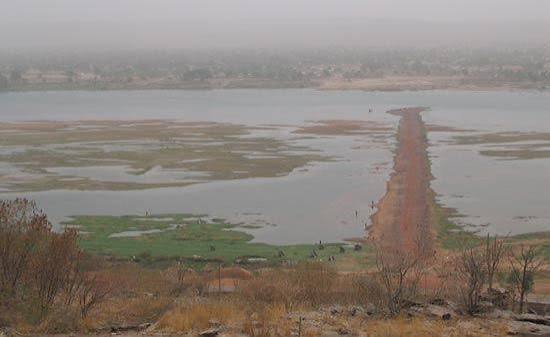
The Forcados River was a known entity to European traders centuries before British colonial rule took hold. Its waterways linked coastal communities with inland settlements, providing access to extensive commercial opportunities across the Niger Delta. This demonstrated that Forcados’ importance was rooted in much older relationships between African communities and overseas merchants.
A Strategic River Mouth for Global Trade
Forcados occupied a highly strategic position near the mouth of the Forcados River, one of the primary waterways through which the River Niger reached the Atlantic Ocean. This geographical advantage made it an indispensable point for goods moving between the coast and Nigeria’s vast interior. It fostered a vibrant network of exchanges.
Its natural accessibility attracted diverse trading interests over the centuries. This unique location ensured that local communities participated in centuries of commerce, exchanging goods and cultures across continents. The river served as a vital artery for the region’s economic life.
Forcados Under British Colonial Ambition
By the 19th century, European commercial interests along the Niger Delta shifted focus. They increasingly centered on commodities like palm oil, which was in high demand for burgeoning industries in Europe. This new economic drive encouraged merchants to forge even stronger ties with communities throughout the region.
The Forcados River remained an essential route into the interior. Its waterways allowed trading vessels to reach settlements along the Niger and its tributaries. This gave European merchants critical access to inland markets and valuable export commodities, cementing the river’s strategic importance.
British commercial and political influence grew significantly during this period. The establishment of the Oil Rivers Protectorate in 1891, followed by a more robust colonial administration, deepened British involvement in the Niger Delta. Forcados became a key part of the expanding network of trading stations and river transport routes.
Its importance was intertwined with the development of Burutu, an upstream settlement on the same river. Burutu became a crucial hub for river transport facilities, connecting coastal shipping with inland navigation. Passengers arriving through Forcados often continued their journeys to Burutu before boarding river vessels deeper into the country.
This network facilitated the movement of imported merchandise to inland commercial centers. It was particularly vital before railway infrastructure made journeys into the Nigerian interior more accessible. The river system served as the primary means of transport for decades.
Forcados as Nigeria’s Early Shipping Gateway
One of Forcados’ most significant eras unfolded in the late 19th and early 20th centuries. It became a major transhipment point for virtually all goods entering and leaving Nigeria at the time. This was a direct result of the severe difficulties faced by large ocean-going vessels trying to navigate Lagos Harbour.
A shallow sandbar at the entrance to Lagos Harbour restricted the size of ships that could enter directly. Consequently, much of the cargo destined for Lagos had to pass through other coastal locations. Forcados emerged as a critical component of this complex arrangement, offering a safer alternative.
Ships offloaded their cargo in the Forcados area. These goods were then transferred to smaller vessels known as branch steamers for onward transportation to Lagos. This system seamlessly connected international shipping lanes with Nigeria’s inland waterways and coastal marine services.
The volume of activity at Forcados was substantial. The number of vessels engaged in transhipping cargo between Lagos and Forcados through the colonial inland waterways service surged from 298 in 1902 to 448 in 1904. This demonstrated its undeniable operational importance.
This arrangement persisted even after improvements to Lagos Harbour began. By 1914, European shipping lines started operating direct services to Lagos. Nevertheless, as much as half of Lagos-bound cargo continued its journey through Forcados via branch steamers. Nigeria’s development struggle often involved such logistical challenges.
The Forcados River also served as a vital conduit for imported goods heading to settlements in the Nigerian interior. Merchandise reached distant locations like Lokoja and Makurdi via the Niger and Benue waterways, connecting with trading centers further north. Agricultural and forest products flowed in the opposite direction, towards the coast for export.
Forcados was, therefore, an integral part of a much broader transport system. It effectively linked coastal commerce with inland economic activity across Nigeria. Its sophisticated logistical role often goes unacknowledged today.
The Decline of Forcados’ Commercial Preeminence
Forcados’ dominant position as a shipping gateway gradually eroded as Nigeria’s transport infrastructure evolved. The most impactful change came from significant improvements made to Lagos Harbour. Beginning in the early 20th century, extensive engineering works were undertaken to deepen the harbor entrance, making it accessible to larger vessels.
These monumental efforts included dredging the troublesome sandbar and constructing protective moles. By August 1913, these improvements allowed ocean-going vessels to enter Lagos Harbour directly. Direct European shipping services quickly followed in 1914, significantly reducing the need to transfer Lagos-bound cargo through Forcados.
Despite these changes, Forcados’ decline was not immediate. The port continued to handle considerable cargo during this transitional period. However, the rapid development of Lagos into a major international port steadily shifted the commercial importance away from the Niger Delta route.
The growth of railway transport further impacted river services. As railway connections expanded across the country, the movement of both passengers and goods became less reliant on lengthy journeys through the intricate waterways. This offered a faster, more direct alternative for inland transport.
Another critical challenge was the gradual silting of the river entrance itself. The accumulation of sediment steadily reduced the depth available for larger vessels, making navigation increasingly difficult and hazardous. By 1939, the Forcados entrance had become entirely unsuitable for ocean liners.
Consequently, the settlement lost its status as a major port. While the surrounding waterways continued to support coastal navigation and local river transport, its era as a global shipping hub had definitively ended. Nigeria’s energy crisis persisted for decades, a separate chapter in its economic history.
Forcados Today: Beyond the Oil Terminal
Today, many Nigerians associate the name Forcados primarily with the petroleum industry, specifically the Forcados Oil Terminal. This terminal, formally established by Shell in 1971, is a vital part of Nigeria’s crude oil export infrastructure. It introduced a new chapter in the area’s commercial story, linking its name to global energy markets.
However, the history of Forcados extends much further back than its oil terminal. Before its 1971 commissioning, it bore witness to centuries of trade and served as a crucial connection point. Its current challenges with militancy and oil theft underscore a different kind of global connection, one fraught with contemporary issues. The terminal has faced significant operational disruptions.
In February 2016, a major leak on an export pipeline led to Shell declaring force majeure after militants blew up a pipeline, knocking out at least 250,000 barrels per day (bpd). This cost Nigeria an estimated $12 million daily.
Attacks on the Trans Forcados Pipeline, such as those in July and October 2016, repeatedly disrupted operations. The dual battle against such sabotage continues to this day.
Oil theft remains a persistent problem. In 2022, an illegal connection line, four kilometers long, was discovered from the Forcados export terminal into the sea. This clandestine operation had reportedly siphoned off about 250,000 bpd unnoticed for nine years, contributing to Nigeria’s massive loss of 600,000 bpd in revenue due to theft.
The managing director of Shell Petroleum Development Company (SPDC) noted in April 2023 that they were “almost losing the battle” against new illegal connections.
Forcados remains a living community in Delta State, deeply connected to the indigenous Ijaw people, including the Ogulagha. A travel video documented older buildings and a community where movement is largely on foot. The distinction between Ogula and Old Forcados highlights local identities. These communities embody a continuity that predates, and now often endures, the fluctuations of international commerce and the oil industry.
Forcados’ Enduring Legacy for Nigeria
Forcados’ forgotten history reminds us that some of the places that profoundly shaped Nigeria’s commercial past are no longer the prominent centers they once were. Its importance, however, has not vanished simply because its former preeminence faded. The story of Forcados extends far beyond its modern oil terminal.
It reveals Nigeria’s deep and long-standing integration into global economic networks, a connection that dates back centuries before colonial rule or the discovery of oil. This rich, often overlooked, commercial heritage offers a genuine insight into how trade, transport, and evolving global demands have continually reshaped the nation.
The river that once connected Forcados to Portuguese merchants and inland communities remains a defining feature of its enduring historical narrative.
