



The air in Abuja often hums with whispers of power, of ambition, and sometimes, of something far less noble. It’s a backdrop against which the latest news feels both fresh and achingly familiar, a moment when the fault lines of trust in public office once again crack open.
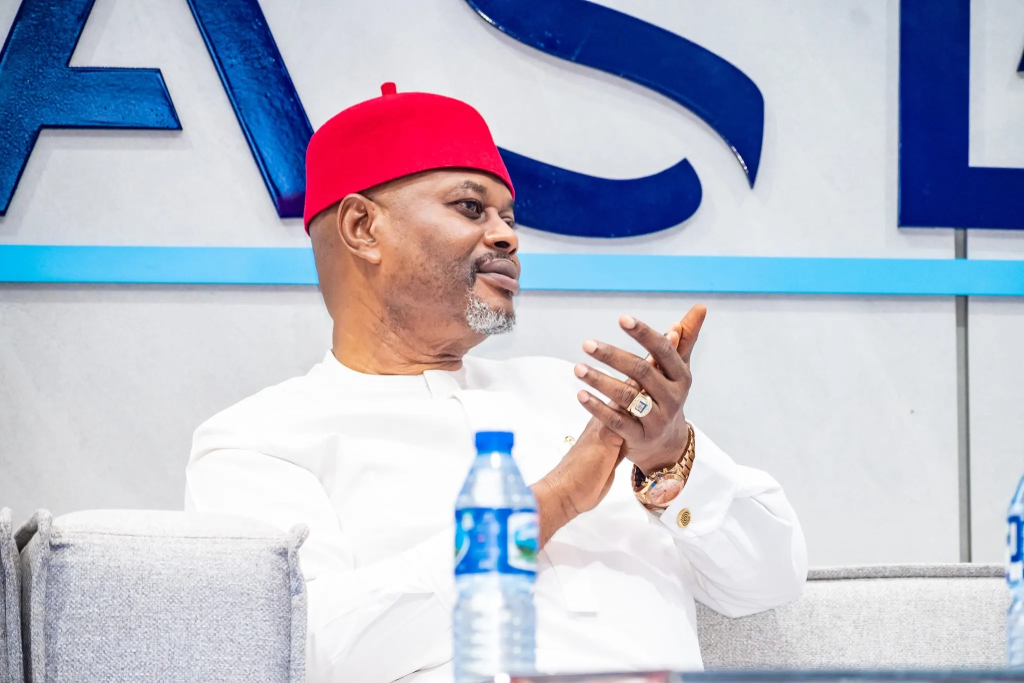
Today, the nation turns its gaze towards Ex-Minister Uche Nnaji, who stands poised for arraignment over allegations of certificate forgery. This development, surfacing on July 12, 2026, casts a stark light on the persistent questions surrounding integrity in Nigerian politics and public service.
The enduring challenge of integrity in public service
Nigeria’s journey since independence has been a relentless push and pull between aspiration and reality. The dream of a nation built on merit and honesty often collides with the harsh truth of political opportunism.
This collision has left a legacy of disillusionment, where promises of good governance often give way to self-interest. It forces a national conversation about the true cost of moral compromises in high office.
Allegations like those facing Uche Nnaji aren’t isolated incidents. They are echoes of a long-standing struggle to uphold ethical standards within the very institutions meant to serve the people. This ongoing battle for accountability shapes how citizens view their leaders.
This constant questioning of public figures, even when considering the Nigerian Presidency’s rejection of Peter Obi’s claims of threats, reveals the fragile state of trust. It highlights the deeply ingrained skepticism that many Nigerians hold towards official narratives.
And when the fabric of public trust starts to fray, it impacts every aspect of national life. From economic development to social cohesion, the shadow of corruption hinders collective progress and fosters deep-seated mistrust.
A recurring stain on political trust
The issue of certificate forgery, or the presentation of falsified academic credentials, has plagued Nigeria’s political landscape for decades. It’s a pattern that undermines the foundational principles of a credible public service.
Each new allegation erodes public trust further, making citizens question the legitimacy of leadership. It suggests that entry into powerful positions might not always be based on genuine qualifications or competence.
This cycle of deceit breeds a deep cynicism among Nigerians. They watch as those meant to guide the nation are exposed for alleged academic fraud, leaving them to wonder about the true capacity of their leadership.
Such incidents also cast a long shadow over the aspirations of young, honest Nigerians. They see politics as a domain where authenticity is secondary to deception, pushing away potential leaders of integrity. This perception threatens to perpetuate a cycle of mediocrity.
History’s long shadow: credential fraud in Nigerian politics
Looking back, one sees a repetitive cycle where political aspirants and office holders face scrutiny over their educational backgrounds. This isn’t a new phenomenon; it’s a problem woven into the fabric of Nigerian political history.
The desire for power, the hunger for status, has sometimes led individuals to bypass due process and truth. And the legal system, in its slow, grinding way, has had to grapple with these challenges, often under intense public scrutiny.
Undermining merit and competence
When claims of certificate forgery surface, they do more than just implicate individuals. They cast a shadow over the entire concept of meritocracy.
It questions whether those entrusted with governance truly possess the intellectual foundation required for complex decision-making. And this doubt can have profound consequences for national development and policy effectiveness.
The weight of public expectation and disappointment
Nigerians, a people often hardened by disappointment, still hold onto hope for genuine leadership. Each new revelation of alleged misconduct brings with it a fresh wave of disillusionment.
For a country yearning for progress, these incidents can feel like a step backward, an unnecessary distraction from the urgent tasks of nation-building. It makes the pursuit of good governance feel like an endless uphill climb.
Calls for greater transparency and reform
The upcoming arraignment of Uche Nnaji will undoubtedly reignite calls for stricter vetting processes for political appointees and elected officials. There’s a widespread demand for transparent systems that leave no room for doubt about a leader’s qualifications.
Electoral and appointment bodies must implement more robust verification mechanisms. This would help to safeguard the integrity of public office from the very start, preventing such allegations from reaching this stage.
What’s needed are independent verification bodies, insulated from political interference, to scrutinise every credential. Public access to verified information could also empower citizens to act as watchdogs, ensuring accountability at every turn.
Yet, enacting these changes requires immense political will, a quality often in short supply when entrenched interests are at stake. It’s in moments of moral fortitude, like when Governor Dauda Lawal reportedly refused a N300 million ransom, that citizens see a glimpse of what’s possible.
Failure to implement genuine reforms simply guarantees the recurrence of these scandals, further deepening the democratic deficit. This isn’t merely about punishing individuals; it’s about building institutions that are stronger than personal ambitions.
Without such foundational changes, Nigeria remains vulnerable to the constant erosion of its governance structures. The demand for truth in public service isn’t just a cry for justice, but a plea for national healing and progress.
The path ahead for public confidence
The case of Ex-Minister Uche Nnaji is more than a legal proceeding; it’s a barometer of Nigeria’s ongoing struggle for ethical leadership. It forces a national conversation about the values we demand from those who govern us.
Ultimately, restoring confidence means not just prosecuting alleged wrongdoers, but fundamentally transforming the systems that allow such breaches to occur. It’s about building a future where truth matters, and accountability is non-negotiable.
And so, as the curtains rise on this arraignment, Nigeria finds itself once more facing a familiar question: will this moment finally force a reckoning with the ghosts of its political past, or will the cycles of disappointment simply repeat themselves?
